
Tea friends ask: On old maps, why is Yiwu always there?
Tea friends often come to me with an old map of the "Six Ancient Tea Mountains" and, after asking, always add: "Lao Sen, among these six names, why is Yiwu unavoidable everywhere?" I say, you have it backwards—it's not that everyone can't avoid Yiwu; it's that this old map originally includes Yiwu.
That sounds like a tongue twister, but the logic isn't convoluted. Once you understand the origins of the Six Ancient Tea Mountains, and then look back at Yiwu's significance, it all becomes clear.
What are the Six Ancient Tea Mountains?
The Six Ancient Tea Mountains are a set of place names passed down by the older generation. According to old tea people, the lists in several old records are not exactly the same; some include one mountain, others omit another. As for why "six" and which specific six, different accounts vary, so don't take it too seriously. But the meaning is consistent: along the Lancang River, in what is now Xishuangbanna, there were several famous tea mountains in early times, with good tea, large quantities, and wide distribution.
Yiwu is often listed among them; some records also mention Mansa—in the eyes of the older generation, these two names are close, and their tea gardens often merge, sometimes making it hard to tell them apart. Why are these mountains called "ancient"? Because they didn't become famous only recently. In the era when tea was carried by horses, they were major tea-producing areas, harvested year after year and transported out year after year. Their fame was accumulated over hundreds of years, not stirred up in recent years. So when old tea connoisseurs talk about the Six Ancient Tea Mountains, they often mention Yiwu—it has great fame, many tea gardens, and rich stories, making it hard to avoid.
Tribute tea and the Tea Horse Road both bear its footprints
Half of Yiwu's significance comes from its location. According to old tea people, in early times, tea from this area was selected as tribute tea and sent to the capital, with faint traces found in old books; the Tea Horse Road often started from these mountains, with caravans carrying tea over mountains and ridges, trading tea for salt, cloth, and daily necessities.
These events sound distant, but what they left behind is tangible: roads were built, villages flourished, and the skills of planting and making tea were passed down through generations without interruption. Other places talk about "history," but Yiwu's history was trampled out by caravan footsteps, not written on paper. Walk through Yiwu's old streets, and the layout of old houses and the direction of old roads still bear traces of the tea transport era.
Beyond fame, there are the forests
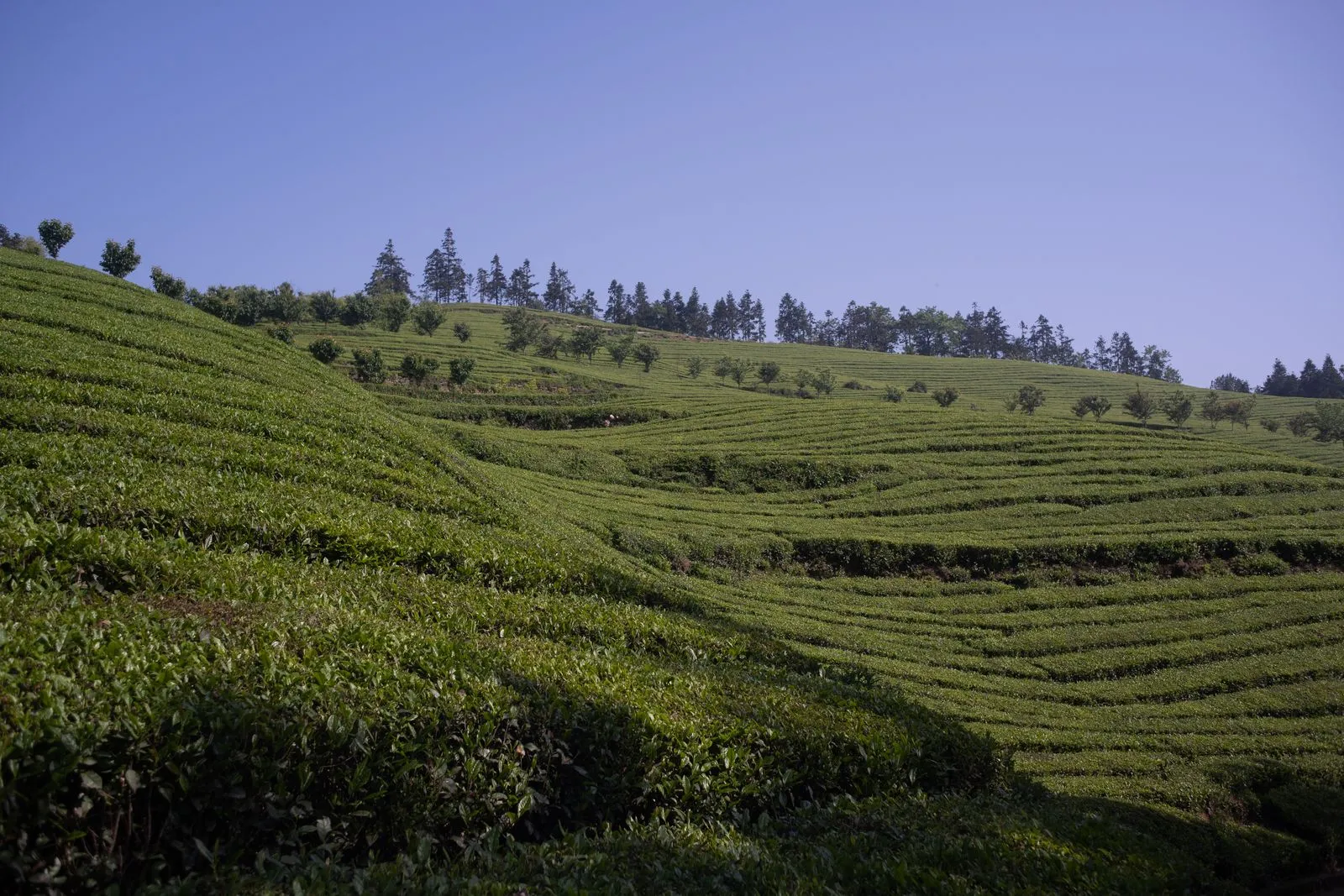
If you ask why Yiwu is often singled out among the Six Ancient Tea Mountains, I think we must return to the tea itself. This mountain has many old tea trees, mostly growing in forests, mixed with miscellaneous trees, shaded by canopy above and covered with fallen leaves below. If other mountains rely on stories to prop up their reputation, Yiwu relies on its trees—when you go into the mountains and see those old gardens, it's more convincing than any words.
Add to that its unique flavor: fragrant and gentle, with light bitterness and astringency, clean sweetness, and good aging potential. Old tea drinkers never tire of it after years of drinking; no matter what they try, they still find this tea carries a "forest air." This foundation is built over years of growth; it can't be rushed or faked.
Why it remains unavoidable today
Someone might ask: The Six Ancient Tea Mountains are old talk from hundreds of years ago; why mention them today? I think it's the opposite. Nowadays, there are more and more tea mountains, with newer and newer names, but when old tea drinkers choose tea, they eventually circle back to Yiwu. Why? Because old tea mountains have endured the longest, their forests are most like forests, and their craftsmanship has never been interrupted—new names can be created, but old foundations cannot be manufactured.
When it comes to learning to recognize mountains, many old tea masters teach their apprentices with Yiwu as the first lesson: first understand Yiwu's gentleness, then appreciate the boldness of other places, and you'll have a benchmark in mind. This is probably another reason Yiwu is unavoidable—it is the "starting line" for many tea people to recognize mountains.
In recent years, the road into Yiwu has improved, and more people come, but the mountain is still the same mountain, and the forest is still the same forest. It's unavoidable not out of nostalgia, but because after going around, you find this is still the most fitting. The specific list of the Six Ancient Tea Mountains varies by account, but the slot for Yiwu is one that no mapmaker would erase.

Paragraph comments 0 · moderated
Comments 0 · moderated