
When it comes to forest tea, Yiwu is unavoidable
Chat with seasoned tea drinkers about forest tea, and the conversation will inevitably turn to Yiwu. Some even say, "Half of what I know about forest tea, I learned from Yiwu tea."
There's some truth to that. To understand forest tea, first understand why Yiwu is always seen as its "showcase."
Ecological foundation: Ancient tea gardens grow amid the forest
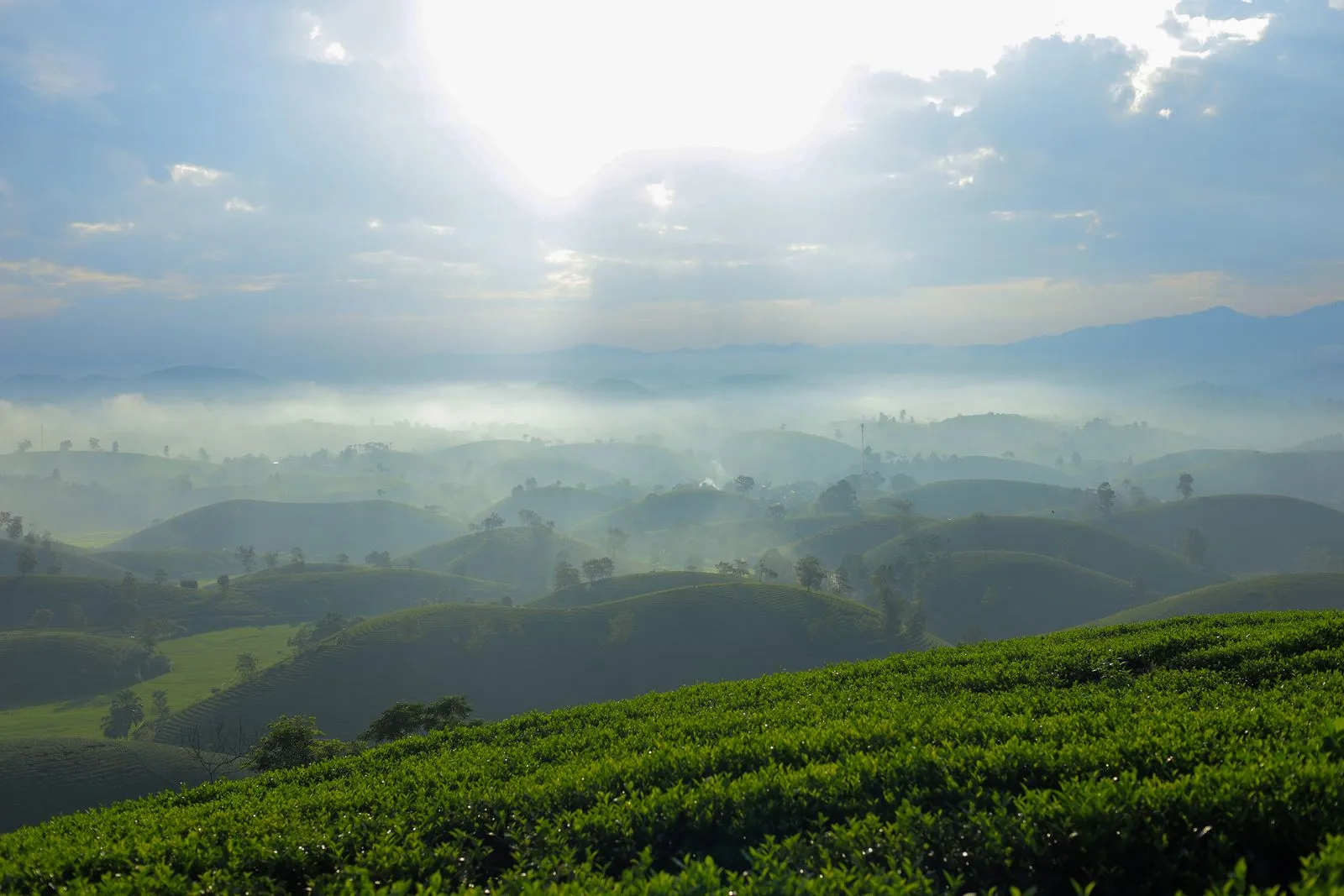
Yiwu is in Mengla, among the six ancient tea mountains. Unlike many later cultivated tea gardens, Yiwu's vast ancient tea gardens naturally grow in primary forests—tea trees coexist with mixed woods and vines, shaded by tall trees overhead, with fallen leaves forming soil underfoot. For centuries, tea farmers didn't "clear land to plant tea" but rather "recognized tea within the forest."
Such a foundation makes the word "forest" in Yiwu not just packaging but a factual description. How old the trees are and how intact the forest is—you can see it in the tea garden's appearance without needing stories.
Flavor character: Fragrant and smooth, with depth over time
Yiwu tea's flavor also carries a "forest feel":
In its young stage, its aroma is clear and uplifting, the liquor is fine and supple, with a clean wild honey sweetness—almost non-irritating. Unlike some teas that hit you with bitterness and intensity upfront, it's more like a gentle breeze in the woods—soft but lingering.
What's even more remarkable is its aftereffect: Yiwu tea is widely recognized for its excellent aging potential. After a few years of storage, it reveals a mellow honeyed charm beneath its delicacy, gaining more substance with time. This character of "not competing when young, but having substance when aged" makes it especially beloved by connoisseurs.
Why Yiwu is the "sample of forest tea"
I often tell tea friends: other mountains use the forest as endorsement; Yiwu uses the forest as its foundation.
- In terms of ecology, Yiwu's ancient tea gardens have the most typical symbiotic relationship with primary forests—visible and tangible;
- In terms of taste, the "soft and fragrant forest style" contrasts sharply with Bulang's intensity, best illustrating that "forest tea has more than one flavor";
- In terms of aging, it's a good sample to test whether "forest tea can be stored," with time as its witness.
Of course, Yiwu is Yiwu, not all forest tea. Mengku's ethereal quality, Manzhuan's solidity—each has its own forest. But if you want to find a mountain that "explains forest tea most thoroughly," starting with Yiwu won't go wrong.
Mountains have their origins; tea has its confidence. In this cup of Yiwu, there's not just tea, but a whole undisturbed forest.
Paragraph comments 0 · moderated
Comments 0 · moderated