
Tea friends ask: Lao Sen, what exactly is Yiwu tea?
Often, newcomers to Pu'er tea sit down and ask me first: "Everyone talks about Yiwu, Yiwu—what exactly is Yiwu tea? Is it green tea or black tea?" I smile—this question may sound amateur, but it hits the root. Yiwu is not a craft; it is a place where tea grows, and an old flavor remembered for many years. Once you understand this layer, the rest will make sense.
Don't rush to memorize terms. Follow me through this, and you'll understand how the two characters "Yiwu" gradually transformed from a place name on the map into a cup of tea in tea drinkers' mouths. After this journey, you won't be left out of conversations with seasoned tea drinkers.
Where is it: Hidden in the mountains of southeastern Xishuangbanna
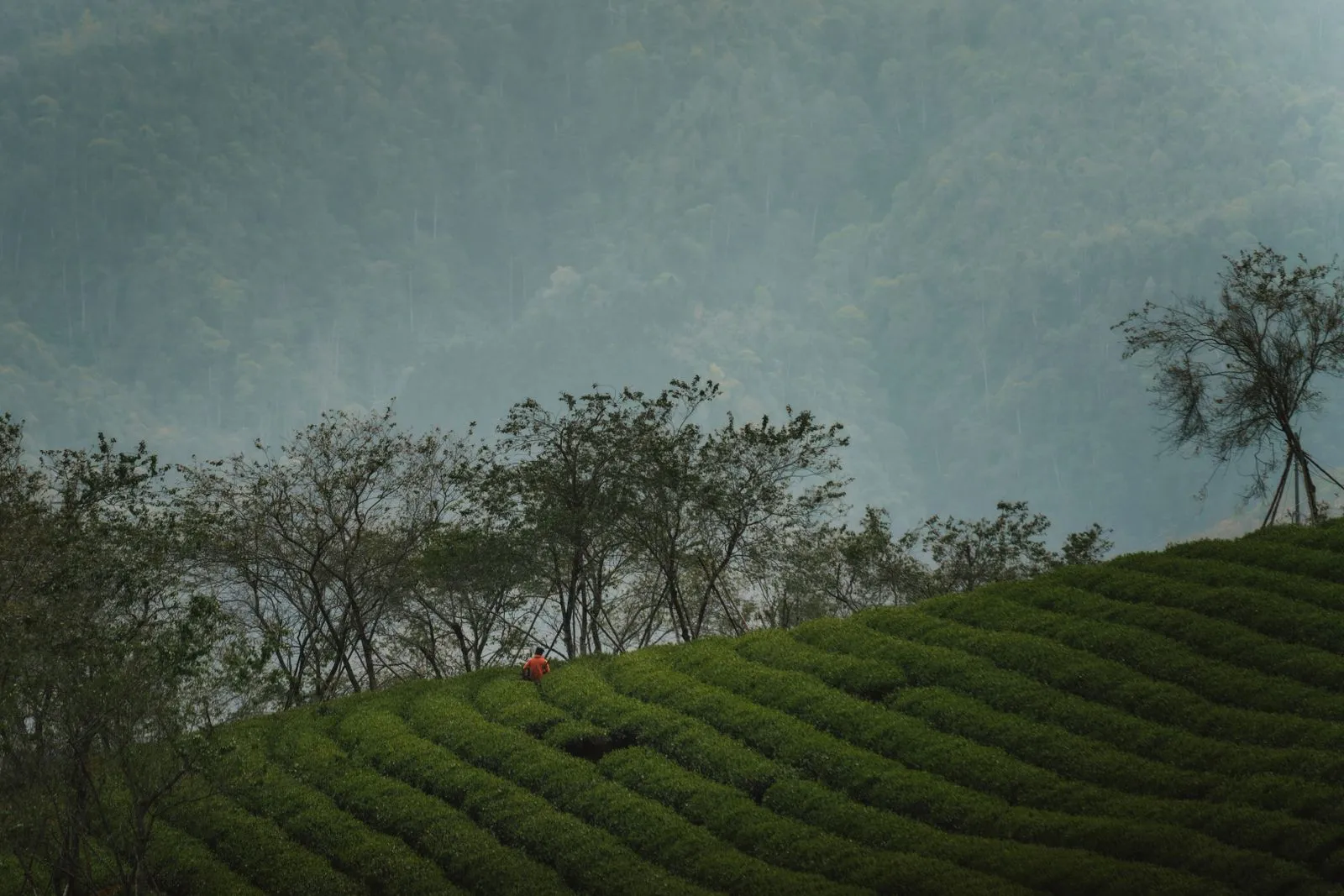
Yiwu is in Mengla County, Xishuangbanna, Yunnan, near the border. The mountains are high, the forests dense, and for most of the year, rain and mist are constant. It became famous early—old tea people say that tea from these mountains was transported out long ago. It is part of the fame of the Six Ancient Tea Mountains, and it is recorded in the grand backgrounds of tribute tea and the Ancient Tea Horse Road.
To put it simply: The Lancang River flows south, and Yiwu is in the mountains on the east bank, hidden deep with difficult roads. In the years when other areas were being developed with much fanfare, Yiwu remained quietly hidden in the forest, and so the old tea trees survived. Today, when you enter Yiwu's mountains, you can still see tea trees growing among miscellaneous trees, with shade overhead and a thick layer of fallen leaves underfoot—a natural state not much different from decades ago. Some people exclaim that Yiwu is "naturally a place for tea," and that's not an exaggeration—the forest's health is best judged by the tea trees.
Why is it famous: Fame is accumulated over the years
Yiwu's fame was not touted by anyone; it was tasted by generations of tea people. Old folks say that in the past, caravans carrying tea set out from these mountains, trading tea for salt and daily necessities. As they traveled more, the roads became familiar, and Yiwu became a landmark in tea people's hearts—when talking about Pu'er, you can't avoid Yiwu.
These are old stories, but old stories are precisely Yiwu's richest asset. Other mountains tell fresh tales, but Yiwu's story is written in the old tea gardens and in the oral traditions of generations of tea people. When I go to the tea mountains, I often meet elderly tea people who, once they mention Yiwu, can't stop talking: which roads are good, whose tea garden is hidden in which valley—they can talk for half a day. This weight accumulated over the years cannot be caught up in just a few recent years.
What's it like: The foundation of fragrant and smooth
When truly asked what Yiwu tea tastes like, seasoned tea drinkers often have four words on their lips: fragrant and smooth. The aroma rises, not stuffy or sharp; the tea soup is smooth and moist, with light bitterness and astringency, and a clean sweetness; after swallowing, a sweet aftertaste slowly emerges at the base of the tongue, and there is a subtle lingering charm in the throat. Some love its gentleness; others find it not strong enough—that's normal. Taste is subjective, and no one should force another.
More worth mentioning is its aging potential. New tea is gentle and soft; after a few years, the aroma sinks, the soup thickens, and the aftertaste lengthens. In youth, it doesn't compete; with age, it gains substance—seasoned tea drinkers would nod at this description of Yiwu. Those who only drink new tea and rush to conclusions are doing it an injustice.
A small reminder: don't judge Yiwu's gentleness by an over-brewed cup. If you use too much tea or steep too long, even the gentlest tea will become bitter. That's not the tea's fault; it's the brewing method's fault. Brew it with your usual amount and pace, and it will show its true character.
If you want to drink Yiwu, remember three things first
First, don't immediately chase famous villages or "ancient tree" labels. First drink clean, regular Yiwu to establish the "Yiwu flavor" foundation, then talk about other things—take it step by step. Second, find a trustworthy seller and ask clearly which garden the tea is from, what season it was picked, and who made it. If they can't explain, don't rush to pay; ask clearly before buying.
Third, tea is for drinking, not for comparing. If it suits your taste and feels comfortable, it's your good tea; others' praise doesn't count. Even if a village has a big reputation, if you don't like it, don't force yourself—when it comes to drinking tea, your own tongue matters most.
The mountains won't run away, and the forests are still there. This cup of Yiwu—drink it slowly, and you will eventually understand it.

Paragraph comments 0 · moderated
Comments 0 · moderated