
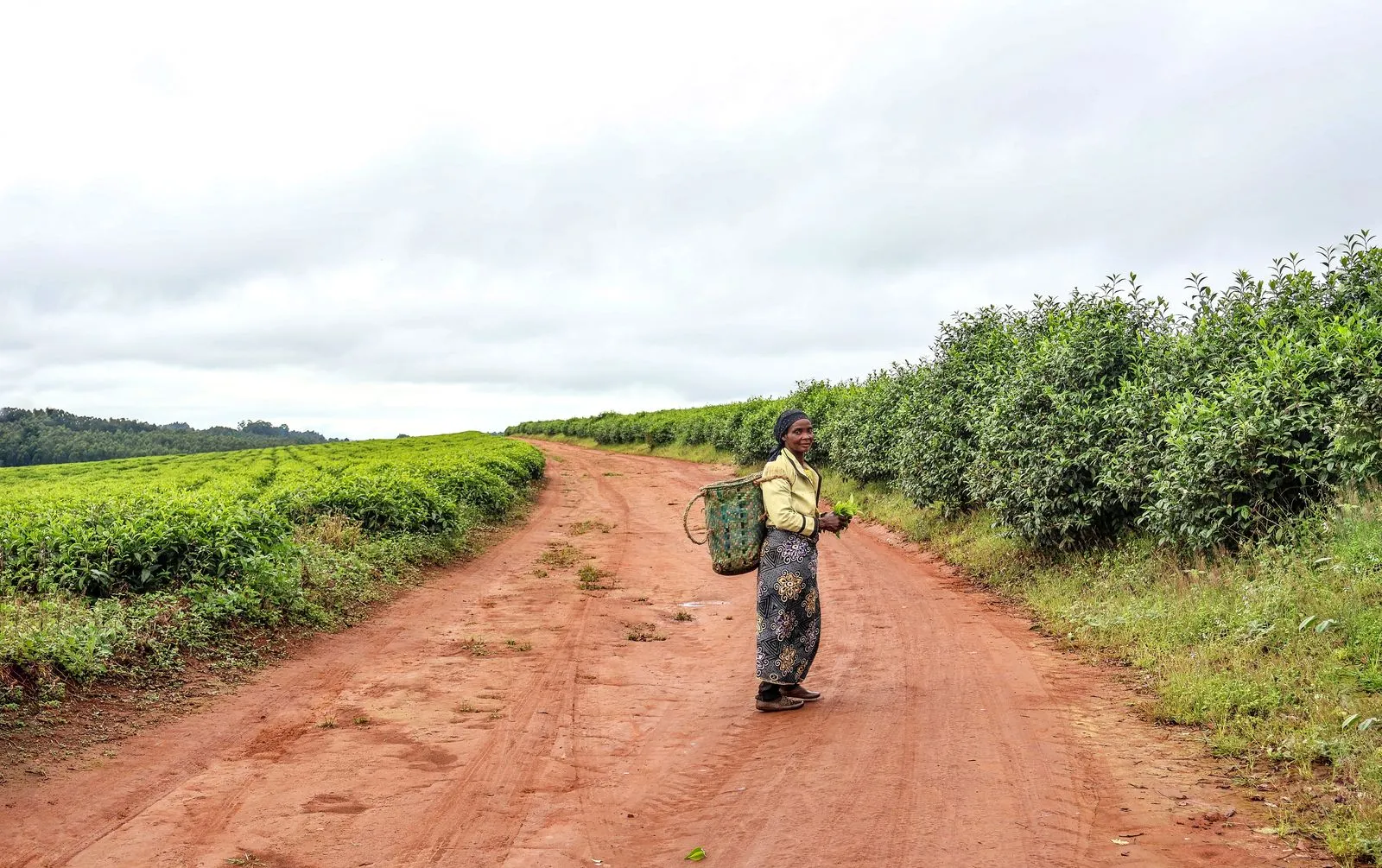
Spring tea is expensive, so is autumn tea inferior?
Every spring, the phrase "Pre-Ming Spring Tea" is everywhere, and prices rise accordingly. Some tea friends ask me: Is spring tea necessarily better than autumn tea? Did I lose money buying tea in autumn?
Whether you lose or not, you first need to understand how many seasons forest tea is harvested in a year and what each season's character is like. Today, I'll explain it all at once.
Spring Tea: Fine, Fragrant, Expensive
Forest tea's spring harvest runs from late February to April, divided into early spring, pre-Ming, and pre-rain by timing.
After a winter of rest, the tea tree's accumulated nutrients are concentrated in the buds and leaves in spring, so spring tea has sufficient internal substances, fine aroma, and thick soup. Especially the early spring tea, its freshness and layering are at their peak. With low yield, high quality, and the "newness" factor, prices are naturally the highest.
Who is spring tea for: Those who want to taste the best state of the year's forest tea and are willing to pay for aroma and freshness.
Summer Tea: High Yield, Moderate Price, Coarse Taste
Summer tea (rainy season tea) runs from May to July, which is the rainy season in Yunnan. With more rain and strong sunlight, tea leaves grow quickly, becoming thin and watery, with thin internal quality, flat aroma, and pronounced bitterness and astringency. Bulk and blended teas often use it to control costs.
Who is summer tea for: Those with high daily consumption, seeking cost-effectiveness, and not sensitive to flavor. For truly tasting forest tea, summer tea is not recommended as a first choice.
Autumn Tea: High Aroma, Sweet and Clean, Practical
Autumn tea (commonly known as Gu Hua tea) is harvested from late August to mid-October. In autumn, temperatures drop and the temperature difference between day and night is large, causing the tea tree to sprout a second time. It grows slowly, allowing aroma substances to accumulate well—so autumn tea often has high aroma and sweet, clean soup, with a distinct crispness.
Its internal quality is not as thick as spring tea, but it wins on cost-effectiveness: prices are often only about half of spring tea from the same region, yet the aroma performance is not inferior. Among veteran tea drinkers, many like to store autumn tea as a daily drink, sipping while aging it.
So, is spring tea always the best?
It depends: In terms of internal thickness and delicacy, spring tea generally has the advantage; in terms of aroma character and daily drinking, autumn tea is quite capable. "Good" is relative to needs—buy spring for fine tasting, buy autumn for regular drinking, and buy ecological summer tea as a daily staple for savings; none are losses.
Let me add a practical note: Within the same season, the difference in mountain site and processing is often greater than the difference between seasons. A carefully managed autumn tea will surpass a crudely made "pre-Ming" tea. When evaluating tea, first look at the maker, then the season.
Mountains have four seasons, and tea has various flavors. Don't let the word "spring" make decisions for you; what your palate recognizes is the good tea.
Paragraph comments 0 · moderated
Comments 0 · moderated