
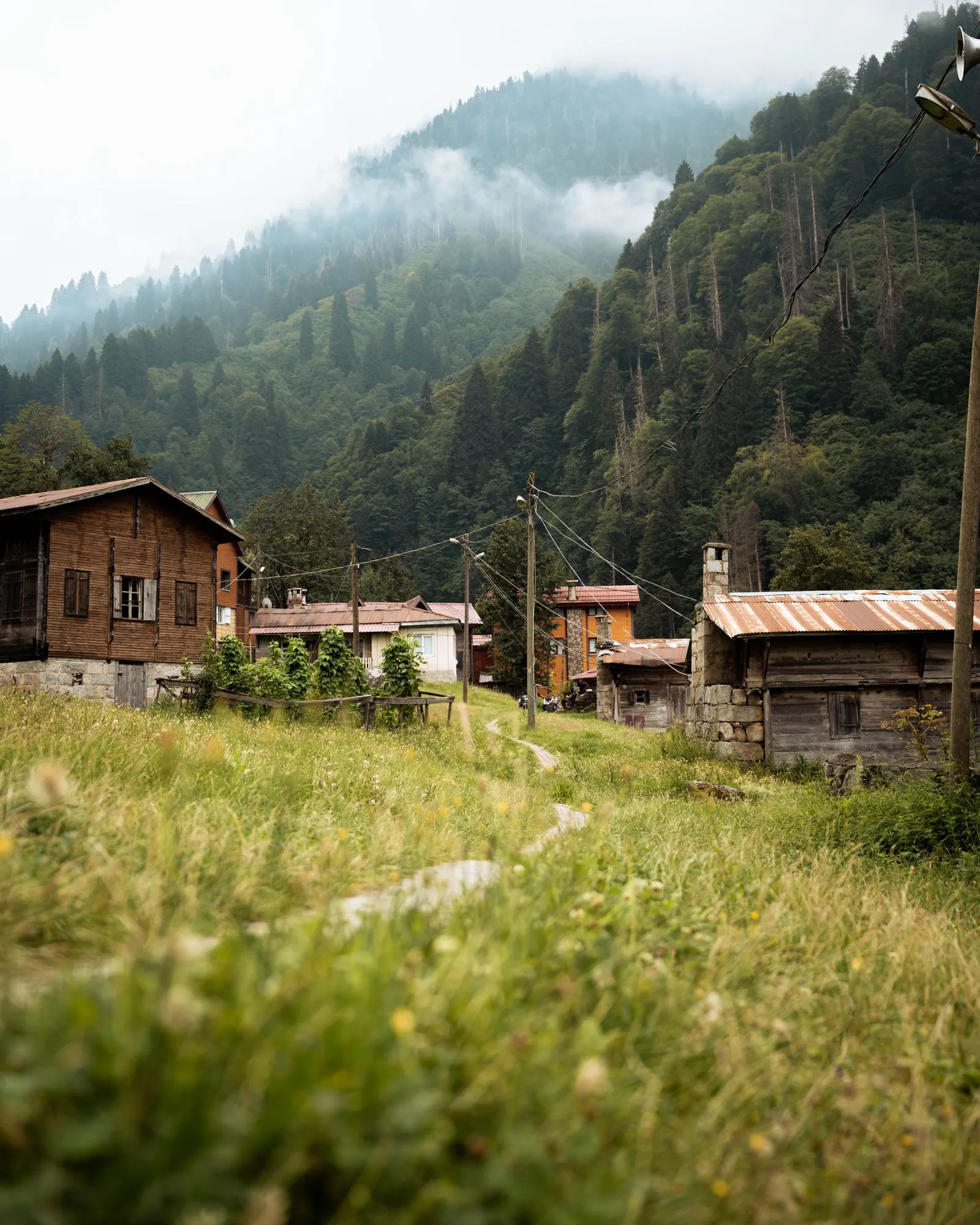
Tea friends ask: What exactly are the Seven Villages and Eight Stockades?
A tea friend came to me with a list of stockade names, and as soon as he sat down, he sighed: "Lao Sen, Mahei, Luoshui Cave, Guafeng Stockade... What exactly are the Seven Villages and Eight Stockades? I've been memorizing them for three days, and the more I memorize, the more confused I get. Every introduction I read says something different." I poured him a cup of tea and advised him not to take it too seriously—"Seven Villages and Eight Stockades" is a folk saying from the tea mountains, roughly that number; the specific list varies from source to source. Treat it as a list of place names to recognize, and it becomes easier.
First, clarify: This is a folk term
In Yiwu, "village" and "stockade" are often used interchangeably; some are called villages, some stockades, just a matter of habit. When "Seven Villages and Eight Stockades" first spread is unclear. According to old tea farmers, it refers to the old tea-producing stockades in the Yiwu area, roughly including villages like Mahei, Luoshui Cave, and Gaoshan, and stockades like Guafeng and Dingjia. If you actually count, you might come up with several versions; don't treat the list as gospel.
Remember this, and the rest is easy: names are static, tea is alive; recognizing stockades is less important than recognizing flavors. No matter how many stockade names there are, they simply mean "families living in different mountain hollows, each with their own tea-making skills."
Several frequently mentioned villages
First, recognize the villages. Mahei is a name you can't avoid in Yiwu; many people's first taste of Yiwu is from it. Old tea drinkers say its tea has a honey fragrance, and the phrase "aromatic and smooth" is often used for it—sweet in a proper way, with substance beneath the softness. Luoshui Cave is close to Mahei; according to old tea farmers, it is finer and softer than Mahei, with a clean sweetness, as clear as mountain water.
Villages like Gaoshan, Daqishu, Manxiu, and Sanheshe are less famous, but they are all old tea-producing areas in Yiwu, with tea gardens of considerable age. Their tea carries the Yiwu foundation, and prices are more reasonable. Someone might ask which is best? There's no ranking. Stockades have no hierarchy, only whether they suit your taste—you'll know after tasting, not just by reputation.
Guafeng Stockade, Wangong, Dingjia Stockade
Next, recognize the stockades. Guafeng Stockade is toward the border of Yiwu; the road is difficult, requiring mountain crossings, but it has many ancient tea gardens. Its tea is powerful, with a distinct wildness, called by old tea drinkers the "fierce general" of Yiwu; those who like strong flavors favor it. Wangong is not far from Guafeng, with low production; its aroma is deep, the liquor thick, bitterness very light, and the aftertaste lingers long; those who've tried it often can't forget it.
Dingjia Stockade is divided into Yao and Han stockades, both with tea gardens. The Yao stockade's tea gardens are harder to reach, and the tea often has a wild edge; according to old tea farmers, the tea-making skills were honed through such trips. Each of these stockades has its own followers, and opinions vary widely—listening to others is secondhand; better to buy and taste yourself, and your tongue will tell you the answer.
Don't let names confuse you
Some people like to boast, "I've tasted all the stockades in Yiwu," which sounds impressive. But even within one stockade, there are sunny and shady slopes, spring and autumn teas, and different families in the same ravine produce different flavors. For the same name, ask three people and you might get three answers—that's not strange; names just point roughly to a large area, not define it precisely.
If you truly want to understand Yiwu, don't rush to collect all the names. First drink one stockade's tea thoroughly, then expand outward, and you'll recognize them more accurately. Names are static, tea is alive; don't let the list confuse you—in the end, beyond the stockade names lies the tea itself.
If you can't remember, remember three first
If your memory is poor, let me highlight the key points. First, Mahei represents Yiwu's softness, with honey fragrance and fine sweetness; it's the safest for beginners. Second, Guafeng Stockade represents Yiwu's strength; if you want wild mountain character, look in that direction. Third, if you can't remember other stockade names, that's fine; just remember "they are old stockades of Yiwu," and their quality won't be far off.
Place names are all remembered after a trip to the mountains. When you go to Yiwu one day, stand at the stockade entrance, look at the tea gardens on the mountains, and the names will naturally match. The end of recognizing place names is recognizing people—knowing the tea makers is more useful than memorizing names.

Paragraph comments 0 · moderated
Comments 0 · moderated