
Tea Friend Asks: Three Words, Several Times the Price Difference
A tea friend brought three cakes of tea to ask me: "Laosen, all printed with Yiwu, one says Taidi, one says Xiaoshu, one says Gushu, and the prices differ several times. What exactly is the difference?" I told him not to rush to look at the price tags. First, understand the meaning of these three words, so you spend your money wisely. Price is the result; understand where the difference lies, and you won't spend unjustly.
Today's article will thoroughly explain the ins and outs of Taidi, Xiaoshu, and Gushu in the context of Yiwu.
First Understand the Three Words: They Describe the Appearance of the Tea Garden
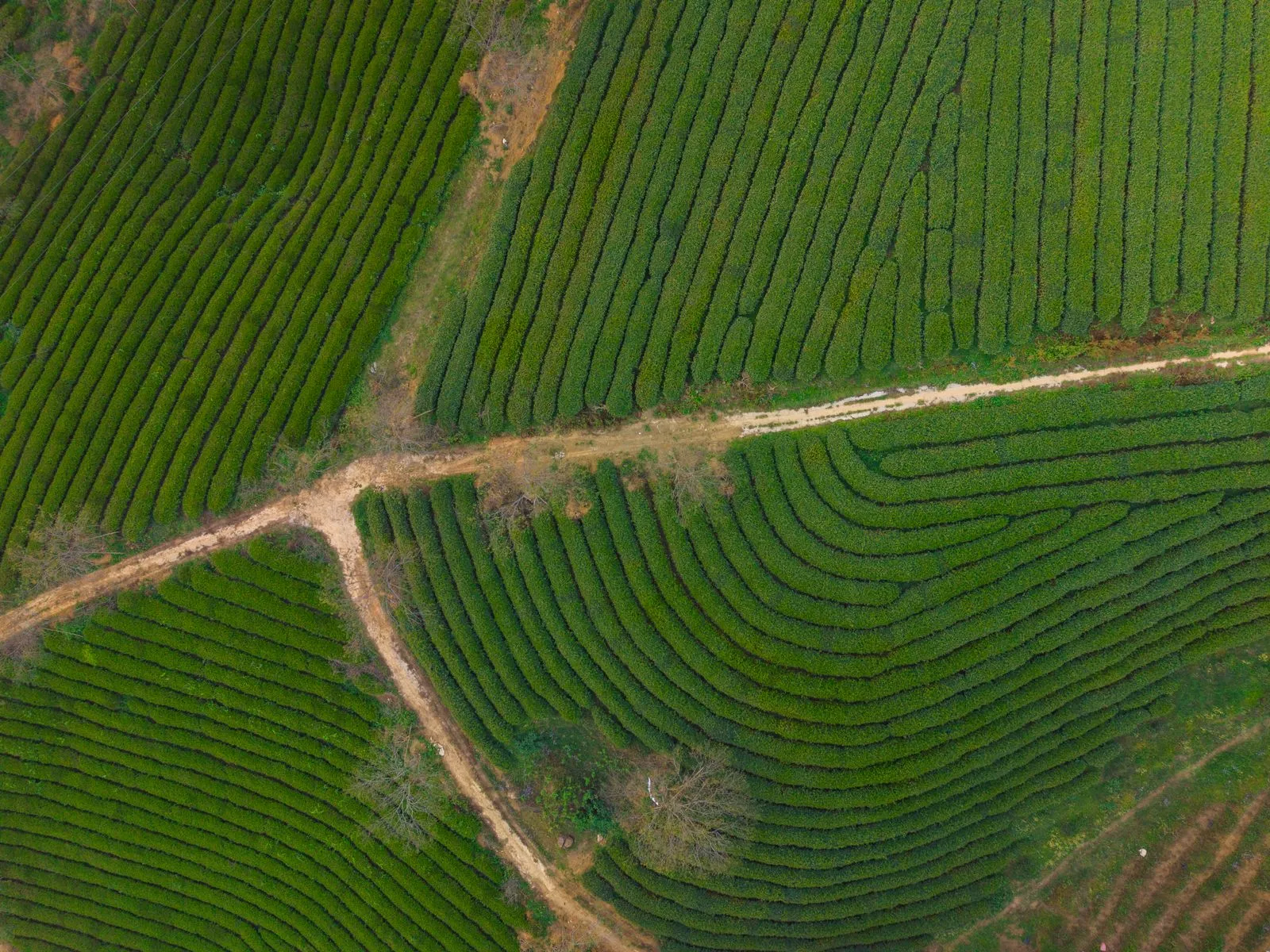
These three words actually describe different forms of tea trees and tea gardens. Taidi tea is planted densely and pruned short, in neat rows like a crop field, easy to manage, high yield, and convenient to harvest. Gushu tea refers to large trees growing in old tea gardens, scattered here and there, growing in the forest, competing with miscellaneous trees for sunlight, without fertilizer or pesticides, and harvesting requires climbing slopes and searching tree by tree.
Xiaoshu tea falls between the two—it could be replanted in old gardens or planted scattered later, with trees neither too big nor too small, neither too old nor too young. Remember: these three words describe the "appearance of the tree," not a "verdict on quality"; big trees are not necessarily all good, and small trees can also be clean and pleasant.
One more note here: how "Gushu" is defined varies by region; some look at trunk thickness, others rely on oral tradition from elders. Tea trees are not like people; no one issues them certificates. Regarding tree age, take half of what you hear and half of what you see; don't be too particular. If you are too particular, the seller will take advantage of it.
Entering the Garden: How to Identify the Three Types at a Glance
Looking at the packaging is useless; looking at the tea garden is the most practical. First, look at density: Taidi tea gardens are planted in rows and lines, so dense you can't fit a foot between; Gushu tea gardens are sparse, with large gaps between trees, and grass and fallen leaves underfoot. Next, look at the tree trunks: Taidi tea trees are short, with tender branches and smooth bark; Gushu trees have thick trunks, old bark, often covered with moss and lichen, and harvesting requires ladders to climb.
Finally, look at the surroundings: Gushu trees are often shaded by larger trees overhead, with miscellaneous trees and vines growing around; Taidi tea gardens are clean, with bare soil exposed. After checking these three aspects, you can be fairly certain which type it is. If possible, visit the tea mountain in person; it's more memorable than reading a hundred articles.
Where Does the Price Difference Come From: Yield and Cost
The first reason for the large price difference is yield. A Taidi tea garden can produce a lot of tea from one area, spreading the cost thin; a Gushu tree yields little per year, and harvesting requires climbing each tree by hand. The yield difference is huge, so naturally the price difference is huge. The second reason is cost: the road to a Gushu tea garden is much more difficult than to a Taidi garden, and the labor for picking and the loss during processing all factor into the price.
What about taste? Old tea drinkers generally feel that Gushu tea has a thicker soup, more endurance, and deeper charm; Xiaoshu tea is refreshing; Taidi tea is straightforward. But don't take this as absolute—some people love the refreshing directness of Taidi tea, others are fascinated by the mellow fullness of Gushu tea; when it comes to taste, the price tag doesn't have the final say.
Don't Just Recognize the Word "Gushu"
Nowadays, the word "Gushu" is used too casually. Some teas are not from Gushu gardens at all, yet they dare to print it on the label; some are indeed Gushu, but poorly processed, wasting good material. So take my advice: Don't just look at the two words on the packaging; recognize the person, the garden, and the craftsmanship.
How to recognize? Ask the seller three questions: Which garden is this tea from, and can they explain clearly? What is the origin of the tea trees, and why do they claim it's Gushu? Who made it, and is their skill up to par? The more specific the answers, the more reliable; if they are evasive, you should have doubts. On the tea mountain, asking detailed questions is not rude; it's those who deceive who feel guilty.
Start from Your Own Taste and Budget
In the end, Taidi, Xiaoshu, and Gushu have no absolute good or bad; only what suits you. Beginners shouldn't chase Gushu right away; first understand the Yiwu flavor, then move up later; if your budget is limited, drinking clean Xiaoshu or Taidi can still let you appreciate the goodness of Yiwu. Don't be led by the nose by the word "Gushu."
Tea is drunk into your own mouth; whether it's worth it, your tongue knows best. The price is set by others; whether it tastes good is your own business.

Paragraph comments 0 · moderated
Comments 0 · moderated