
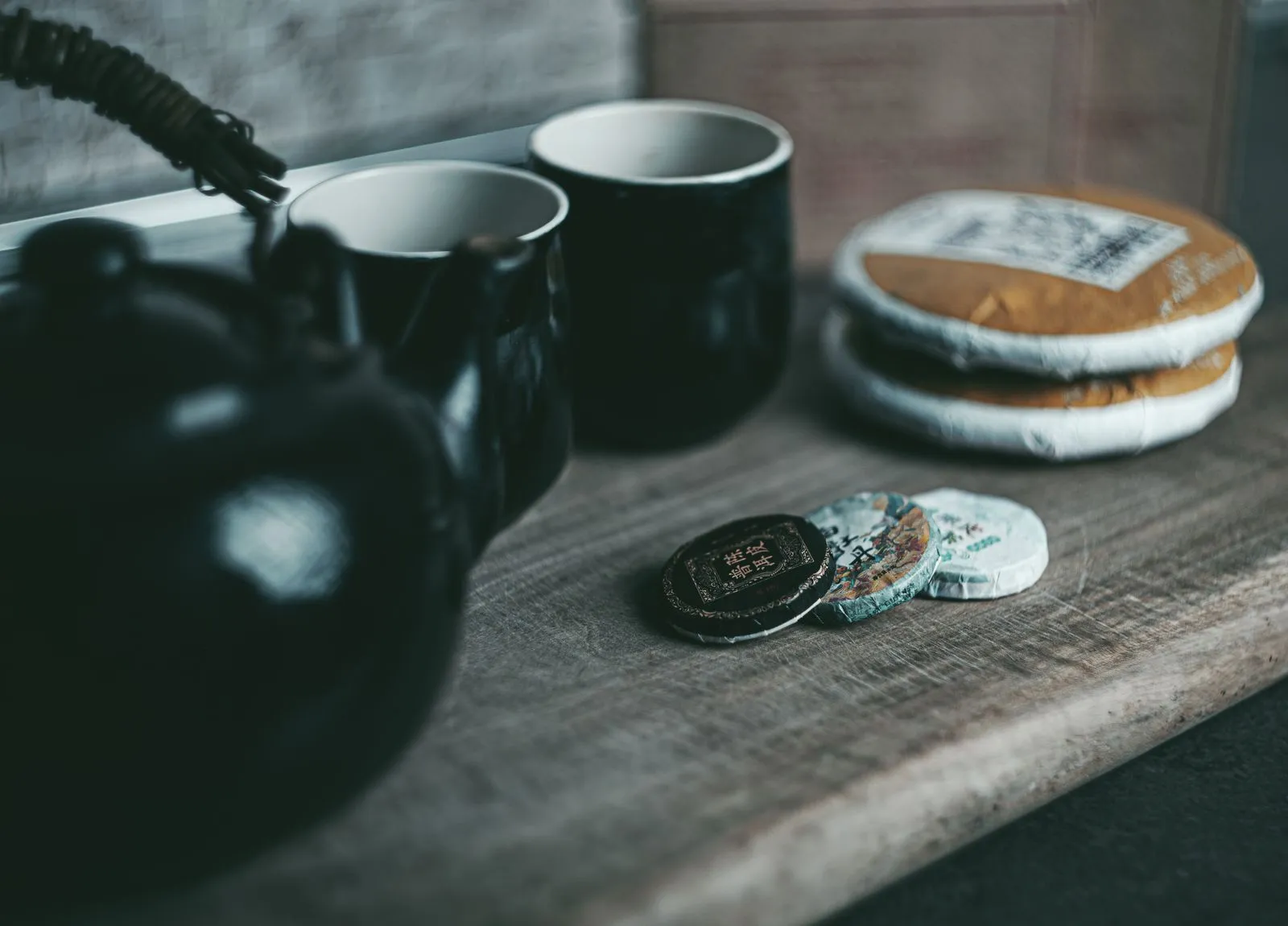
Tea Friends Ask: Does Yiwu Tea Get Better with Age?
"Lao Sen, I've stored this Yiwu cake for three years, but it's not as amazing as people say." When a tea friend asks this, I usually ask back: "Before storing, have you tasted it?" He was stunned. The first thing about storing tea is not to buy it and store it, but to understand it by drinking it first. If you haven't even remembered the taste of the new tea, how do you know if it has become better or worse?
Today, let's go through the whole process of aging from start to finish. Read this before you store tea, and you'll avoid many detours.
What Is Aging: Time Works for the Tea
Freshly made Yiwu tea has a clear aroma and a soft, smooth taste—it's in its "youthful state." After a few years, the substances in the tea gradually change. As old tea masters say, this is called aging. The general direction is: the aroma sinks, becoming less flamboyant and more steady; the soup thickens, with more content on the palate; the aftertaste lengthens, with a more persistent sweetness and throat feel than new tea. Some say, "New tea is for freshness, old tea for mellowness," which captures this idea.
But note: aging is not about the longer the better, nor is it guaranteed to improve with time. It's like brewing wine—or like life: if the foundation is good, time adds to it; if the foundation is mediocre, no amount of time will make it a masterpiece. From the same village, some teas turn out stunning after aging, while others turn out mediocre. The difference often lies not in time, but in the tea itself and the storage environment.
Not All Tea Is Worth Storing
I must say this truth upfront: only teas with substance and proper craftsmanship are worth storing. Teas with mediocre raw materials and rough processing are average when new, and will only become more bland after years. What's the point of storing them?
How to judge if a tea is worth storing? When drinking the new tea, look at three things: Does the soup have thickness? Does the aftertaste have staying power? Does it feel comfortable in the throat? If all three are present, it means the foundation has substance, and time will not disappoint. If all three are lacking, then it's best to drink that cake while it's fresh. Don't hoard a bunch just because you've heard "the older, the better"—storing tea should be about storing good tea, not storing a wishful thought.
Basic Conditions for Storing Tea
If you really want to store Yiwu tea, the conditions are not complicated. Just remember a few "don'ts": Don't let it get damp, don't expose it to sunlight, don't let it absorb odors, and don't suffocate it. Tea is afraid of moisture; if it gets damp, it can mold. The storage room should be dry and well-ventilated. It's afraid of sunlight; light can damage the tea, so keep it in a cool place. It's afraid of odors; don't store it with spices, cigarettes, or alcohol. Also, don't seal it tightly in plastic bags; tea needs to breathe.
For the storage area, keep it off the floor and away from walls to avoid dampness. Don't put strong-smelling items in the room, and avoid places near the kitchen. In the south, the most important thing is to prevent dampness. During the rainy season, pay extra attention to corners and under cabinets. If you're not confident, don't aim for "ten years" right away. Start with three to five years, drink as you store, and you'll gradually gain experience.
Here's a simple trick: in the cabinet or room where you store tea, go in and stay for a while every so often. Smell for any off-odors and touch the tea paper to check for dampness. Storing tea is not about rushing; it's about not neglecting it once it's put away. If you're diligent, the tea will have fewer problems.
Common Misconceptions in Tea Storage
One is superstition about "the older, the better." Age is only a reference. Clean storage that develops content is called aging; moldy, odor-absorbing storage is called ruining. Two is stacking tea with odorous items. Tea absorbs odors most readily; after six months, it will have a strange smell that can never be reversed. Three is some people put tea in the fridge for convenience—but the fridge is damp and has other smells; it's not a place for storing pu-erh. Four is buying tea and throwing it on top of a cabinet, forgetting about it until you remember, not knowing if it's damp or moldy.
Storing tea requires "regular care and frequent tasting." Each year, take a little out to brew, and see if the aroma, soup color, and taste have changed, and in which direction they've changed—watching it change year by year is itself a pleasure of drinking tea. Storing tea is like nurturing patience; you can't rush it, and you can't be lazy.
Yiwu's foundation can withstand waiting. If you are truly fortunate to encounter a clean, substantial, and palate-pleasing Yiwu cake, consider leaving a few infusions to time—it will repay you with a fine cup of tea.

Paragraph comments 0 · moderated
Comments 0 · moderated