
Tea friends ask: They're all Yiwu, so why do they taste different?
Some tea friends have complained to me: "Lao Sen, I drank 'Yiwu tea' twice at two different places, and the flavors were far apart. Is someone using tea from other mountains to fool me?" I said not necessarily—all Yiwu-produced tea, Mahei and Guafeng Village can be as different as night and day. Yiwu is not one flavor, but a mountain area housing many flavors.
If you've only had Yiwu from one place and think you understand all of Yiwu, you're really underestimating this mountain area. Today, I'll put several famous villages on one table and explain them one by one.
Within the same Yiwu, villages have different temperaments
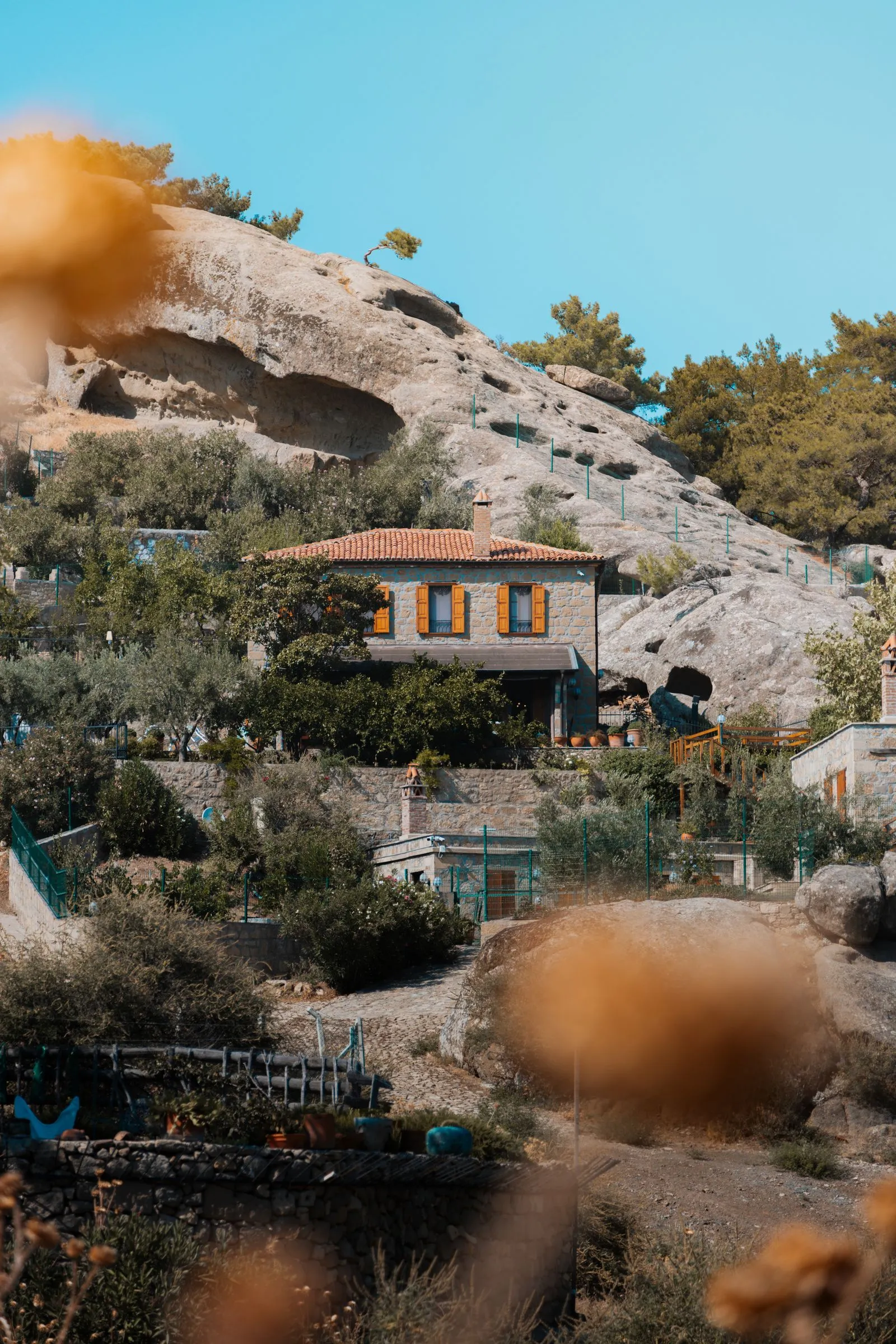
Under the name Yiwu lies a vast mountain area with dozens of villages, and tea gardens scattered across different valleys. Sunlight, soil, orientation, and distance from the forest all differ, so the tea's character naturally varies. Some gardens are on sunny slopes, making the tea's aroma more pronounced; others are in shady valleys, making the water path finer—these differences are seen daily by tea farmers.
Add to that the differences in each family's tea-picking and processing skills: On the same mountain, different makers produce different flavors. It's like several households in the same village, each with their own cooking style. So don't take "Yiwu" as a standard answer; it's more like a surname, under which each village has its own name and its own flavor.
Mahei and Luoshui Cave: Two kinds of softness within softness
Let's start with two representatives of softness. Mahei has the greatest fame; old tea drinkers describe it as "aromatic and smooth," with obvious honey aroma, sweet and proper, soft yet full-bodied. Many people start their Yiwu journey with it. Its aroma is that honey sweetness you recognize at first sniff; once you've had it, you won't forget it.
Luoshui Cave is close to Mahei but is often described as a different kind of softness—finer and clearer than Mahei, with a clean sweetness, soft like the first sip of freshly boiled mountain spring water, with almost no astringency. Both are soft, but Mahei's softness is thicker, while Luoshui Cave's is lighter. If you ask which is better, I can't answer. Between softness and softness, there are also nuances of preference.
Wangong and Guafeng Village: Two kinds of wildness within wildness
Further into the deep mountains are Wangong and Guafeng Village, both close to the forest, with difficult roads but good forests, and tea gardens scattered across ravines. Wangong tea has a deep aroma, thick soup, and very light bitterness, but the aftertaste lingers long. Old tea drinkers say it's the "quiet but substantial" type—the more you drink, the more flavor you find.
Guafeng Village tea has more qi, with a wild mountain character that hits you, a more obvious bitter base, and quick sweetness return. It's called the "fierce character" of Yiwu. Wildness differs: Wangong's wildness is reserved, while Guafeng Village's is direct. Some say Guafeng Village doesn't seem like Yiwu, but I think—Yiwu's forests are vast enough to accommodate both gentleness and wildness.
If you want to understand, compare them side by side
Listening to me isn't enough. The most clumsy but effective way to tell the differences between villages is to compare them together: on the same day, using the same gaiwan, same water temperature, and same tea amount. First drink the soft ones, then the wild ones, and rinse your mouth with plain water in between to reset your palate. After a few cups, the rise and fall of aroma, the clarity and thickness of sweetness, and the speed of sweetness return will all be distinguished on your tongue.
After a few rounds of comparison, you'll find: Within the same Yiwu, villages differ, and years differ—this is what makes it intriguing. When buying tea, don't just ask "Is it Yiwu?" but also ask "Which village, which garden, and who made it?" The more specific the answer, the clearer you'll know what you're drinking.
A reminder: Don't turn village flavors into dogma
Some tea friends jump to conclusions after a few tastings: "Guafeng Village is definitely better than Mahei." I advise you not to say that hastily. Village characteristics are general directions, not measuring sticks—the same garden will taste different if there's more rain this year or drought next year; picking leaves younger or older also changes the aroma. Treating village names as references is fine, but as verdicts is going too far.
Old tea people often say: Tea is alive, labels are dead. The sip you taste is made by the mountain, the forest, the weather, and the craftsmanship, not just the village name. Drinking more, comparing more, and asking more is better than memorizing any conclusion.
Tea in the mountains each has its own origin. Once you understand one village, then move to the next, you'll gradually discover that Yiwu's "many faces" are its greatest asset.

Paragraph comments 0 · moderated
Comments 0 · moderated