
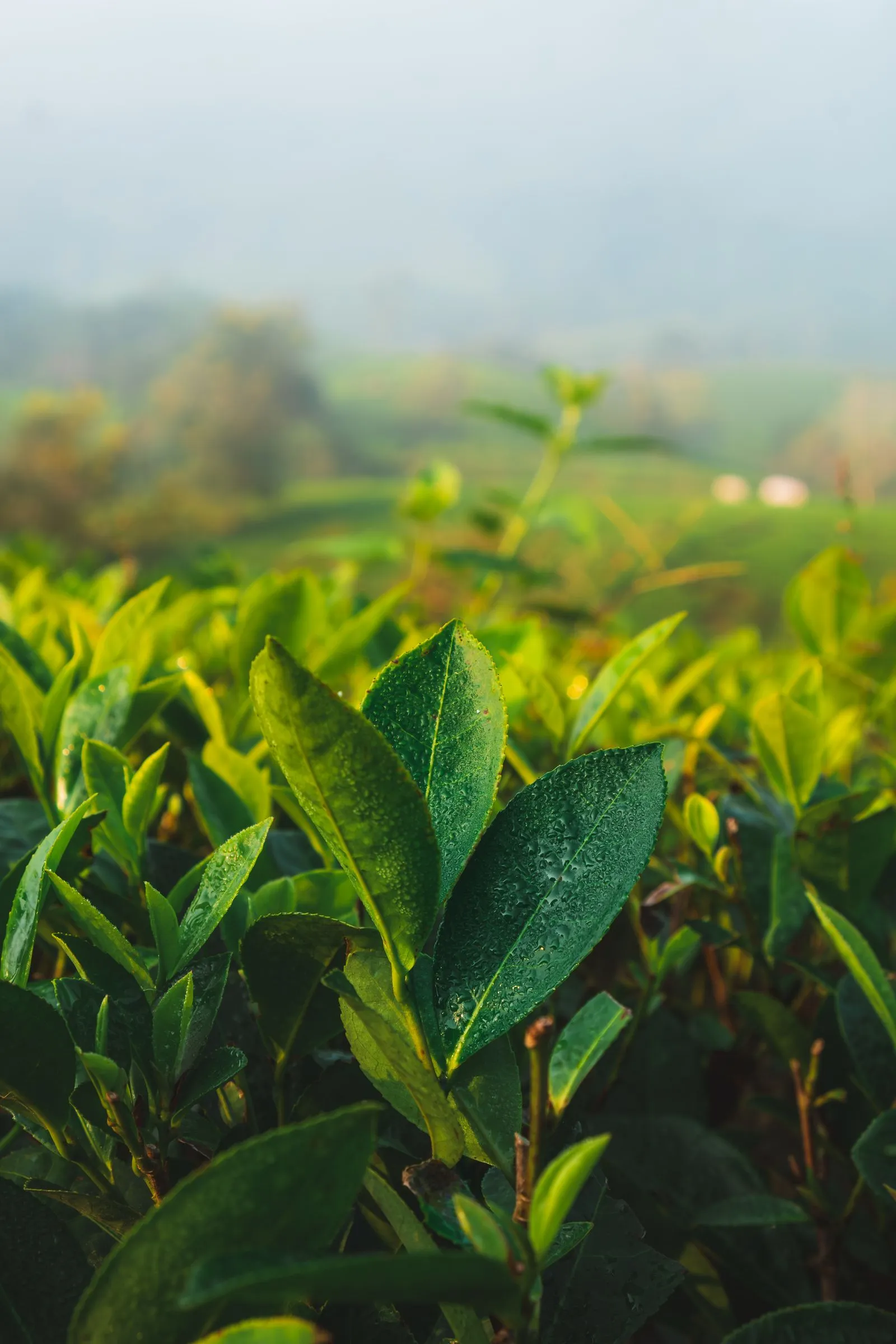
Tea friends ask: Are ecological tea gardens and forest tea the same thing?
After returning from the tea mountains, a tea friend muttered to me: "Lao Sen, for the same tea, one place calls it ecological tea garden, another calls it forest tea. Have I been fooled twice by two names?" I smiled: Don't rush to doubt; behind these two names, it's often the same forest. It's just that people see it from different angles—one talks about management, the other about environment.
Names are the easiest thing to confuse people on the tea mountains. Today, I'll break down these two terms for you.
First, what does "ecological tea garden" mean?
The focus of an ecological tea garden is on "how it's managed." It means the tea garden doesn't use chemical fertilizers, pesticides, or herbicides, allowing tea trees to grow alongside grass and miscellaneous trees, relying on the forest itself to maintain balance. Old tea farmers call this "free-range"—tea trees aren't delicate; give them a bit of nature, and they'll thrive on their own. According to old tea farmers, in the early days, there weren't so many terms in the mountains; tea just grew that way, without pesticides or chemical fertilizers—it was the duty passed down from ancestors.
If you visit such a garden, you'll see: grass and fallen leaves underfoot, moss on the trees, pests controlled by natural enemies, and soil that's loose and soft, springy underfoot. Even after rain, the leaves remain clean. The word "ecological" describes this hands-off, natural way of management. Some places also call it wild-grown tea or abandoned tea, all meaning roughly the same: the kind that's "minimally interfered with, relying on nature."
Next, what does "forest tea" mean?
The focus of forest tea is on "where it grows." It means tea trees grow in the middle of the forest, with tall trees providing shade overhead and miscellaneous trees and vines around; picking tea requires searching for each tree in the forest. The roots of tea trees penetrate the soil of the old forest, drinking in the fertility turned from fallen leaves. Tea made from such trees carries a breath of the forest—clean, clear, with an indescribable wildness.
The forest tea we often refer to is this type: The forest is real, the tea grows in the forest, and the name is just a convenient label for the fact. If you walk through such a tea garden, you'll likely have to bend down, push aside fallen leaves and branches to find the tea trees—that feeling of "searching for tea" can't be experienced on neatly arranged terraces.
Two names, often referring to the same forest
In the end, ecological tea gardens and forest tea often overlap in Yiwu—tea growing in the forest rarely uses pesticides or chemical fertilizers; old gardens without pesticides usually have forest protection as well. One family, speaking from the management perspective, calls it an ecological tea garden; another, from the growth environment, calls it forest tea. The names differ, but the soil underfoot is the same.
Of course, there are subtle differences: some ecological tea gardens have young trees and shallow forest cover, so calling them forest tea is a stretch; some tea in old forests isn't specifically managed, yet it's the most "ecological" in appearance. So don't just listen to names; go into the mountains and see for yourself. It's not strange for one forest to have two names; what's strange is when the name doesn't match the forest—that's when you should be wary.
Enter the forest and check three things
Nowadays, there are more and more names—today ecological, tomorrow forest, and the day after maybe a new term pops up. I advise tea friends not to get hung up on names; when you enter a tea garden, just check three things: Is there tall tree shade overhead? Are there fallen leaves forming soil underfoot? Are there moss and vines on the tea trees? If all three are present, the garden can't be bad; if all three are absent, no matter how grand the name, it's just a name.
For a more refined check, look at the trees, the soil, and the people: whether the garden's owner lives in the mountains year-round and picks tea by hand tree by tree—you'll know after a few conversations. Some people only look at pictures and place orders without ever having been to the mountains—I'm not saying they can't get good tea that way, but without the firsthand inspection, you can't be entirely at ease. Tea is something that can't fool the mouth, nor can it fool the feet—if the forest you've walked through is real, the tea you drink is real.
Names are made by people; the forest is given by nature. Whether you call it an ecological tea garden or forest tea, that undisturbed forest and those skilled hands are what truly can't be deceived in tea.

Paragraph comments 0 · moderated
Comments 0 · moderated