
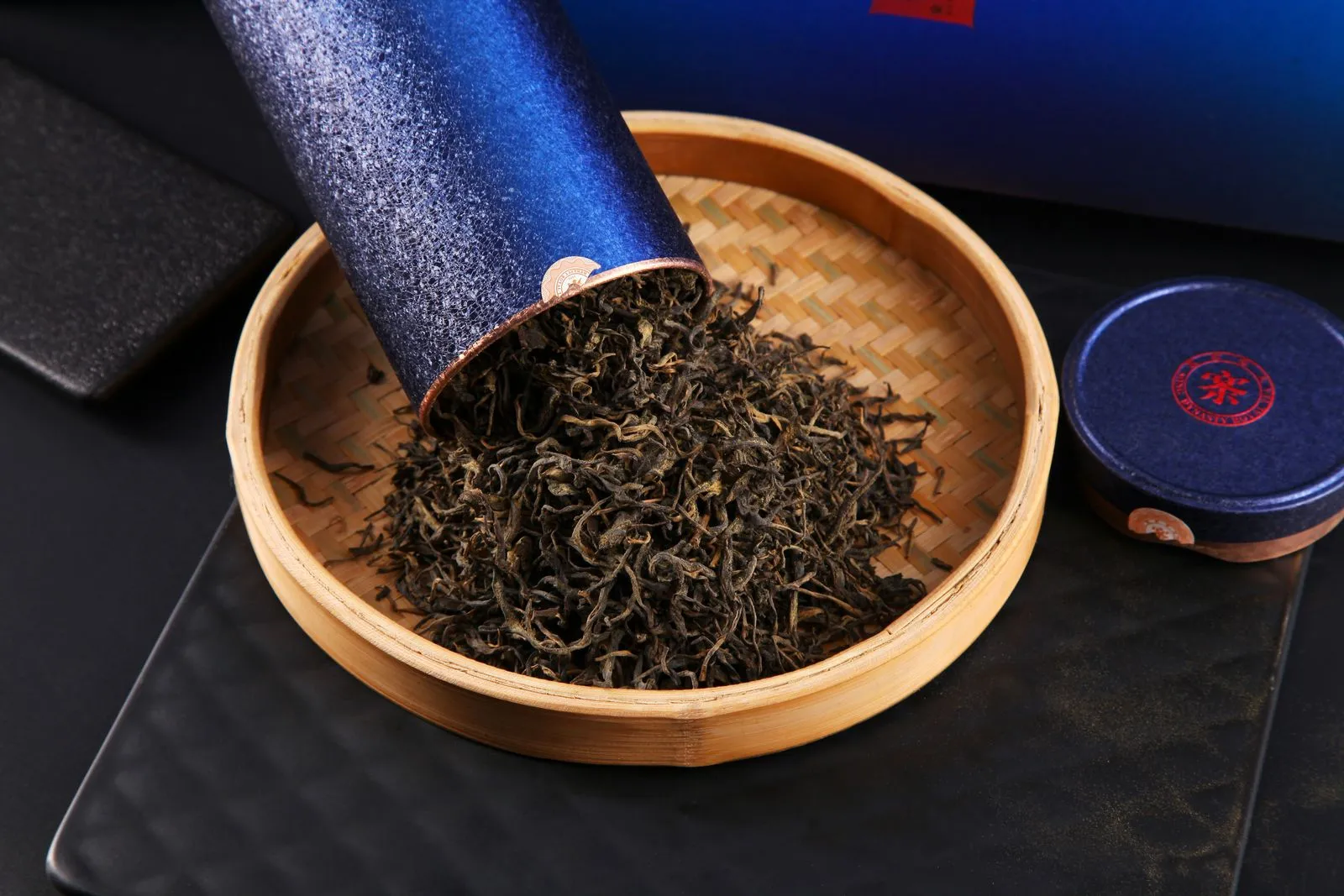
Tea Friend Asks: Can Damp Tea Still Be Drunk?
After the plum rain season, tea friends always send messages: The tea stored at home seems to have gotten damp, it smells a bit stuffy, can I still drink it? Should I take it out to sun-dry?
I quickly reply: Don't sun-dry it yet, and don't throw it away either. First, figure out how damp it is.
Step One: Check These Three Things to See If It's Damp
You don't need instruments to judge dampness; rely on three things: smell, pinch, and brew.
Smell: Good tea has a clean fragrance. Damp tea first develops a musty smell—like dry clothes left in a damp room; if it's worse, it becomes a moldy smell. Pinch: Dry tea leaves are crisp and break easily when bent; damp tea becomes soft, not crisp when pinched, and in severe cases, slightly sticky. Brew: Slightly damp tea has a duller liquor color and a muted aroma; truly moldy tea has a cloudy, grayish liquor with an unremovable off-flavor.
If all three are clean, then there's no problem—don't scare yourself.
Step Two: Slightly Damp Tea Can Be Saved, But Don't Sun-Dry or Bake
If it's only musty but not moldy, and the leaves are just soft—this is called "absorbing moisture," and it can be saved. The method is one word: air-dry.
Find a dry, well-ventilated place without odors, open or spread out the tea, and leave it in a cool, shaded spot for a day or two, letting the moisture evaporate slowly. Note two things: First, don't sun-dry it—sunlight will drive off the tea's aroma, leaving only a sun-baked taste; second, don't use fire to roast or pan-dry it—that would instantly kill the tea.
Once the leaves become crisp again, pack them in a clean sealed bag and return them to a dry place. Let them rest for a few days, and most can recover. In rural areas, the old method is to wrap the tea in clean paper and place it in a dry rice jar—the principle is the same: borrow dryness, not heat.
Step Three: If It's Already Moldy, Throw It Away
If the tea surface has gray-green fuzz, or the moldy smell won't dissipate no matter how long you air it, then don't hesitate—throw it away, no matter how expensive it was.
Some people can't bear to part with it, thinking they can sun-dry and wash it and still drink it. I advise you to drop that idea: once tea has molded, its internal flavor is ruined; it won't taste right when brewed, and drinking it will only upset you. It's truly heartbreaking when stored tea goes bad, but compared to that heartache, don't force yourself to drink subpar tea.
Conclusion: Better to Prevent Dampness Than to Rescue Tea
In the end, whether damp tea can be saved depends entirely on how early you discover it. If you ask me, preventing dampness is better than rescuing tea: first, ensure the storage place is dry; during the plum rain season, open the container less; don't place tea in corners on the floor; if your home is humid, use sealed jars or bags.
Tea is like this: if you take good care of it, it can last for ten or twenty years; if you neglect it once, it can go bad quickly. Remember: Tea isn't delicate, but it fears moisture—keeping tea in a dry place is more effective than learning a hundred rescue methods.

Paragraph comments 0 · moderated
Comments 0 · moderated