
In the previous articles, we discussed various aspects of forest tea—from what it is to how to brew, store, and distinguish authenticity. Today, let's talk about a question many tea friends privately ask me: Should you store forest tea after buying it?
Some say, "Good tea is best enjoyed fresh," while others say, "Pu-erh tea gets better with age." Both statements are correct, but neither is entirely complete. Today, Lao Sen will help you calculate this from three perspectives: the cost, risk, and return of storing tea.
First, You Need to Figure Out: Why Are You Storing Tea?
Before storing tea, ask yourself three questions:
First, are you storing it for your own drinking, or for appreciation and resale?
If it's for your own drinking, then storing tea is a hobby—you like the taste of aged tea, want to slowly age a batch yourself, and enjoy the process. That's fine; however you store it, you'll be happy.
If it's for appreciation, then you need to weigh the pros and cons. Tea is a consumer product, not a financial product. I've seen many people who hoped to get rich by hoarding tea, but few actually made money. The tea market fluctuates, liquidity is poor, and when you want to sell your dozens of kilograms of tea, there may be no one to take it off your hands.
Second, is the forest tea you have in hand worth storing in the first place?
This is the core question. Not all forest tea is worth storing. Only forest tea with good raw materials, proper processing, and a solid foundation has value in aging. If a tea is bland and lacks aroma when new, storing it for ten years won't make it blossom.
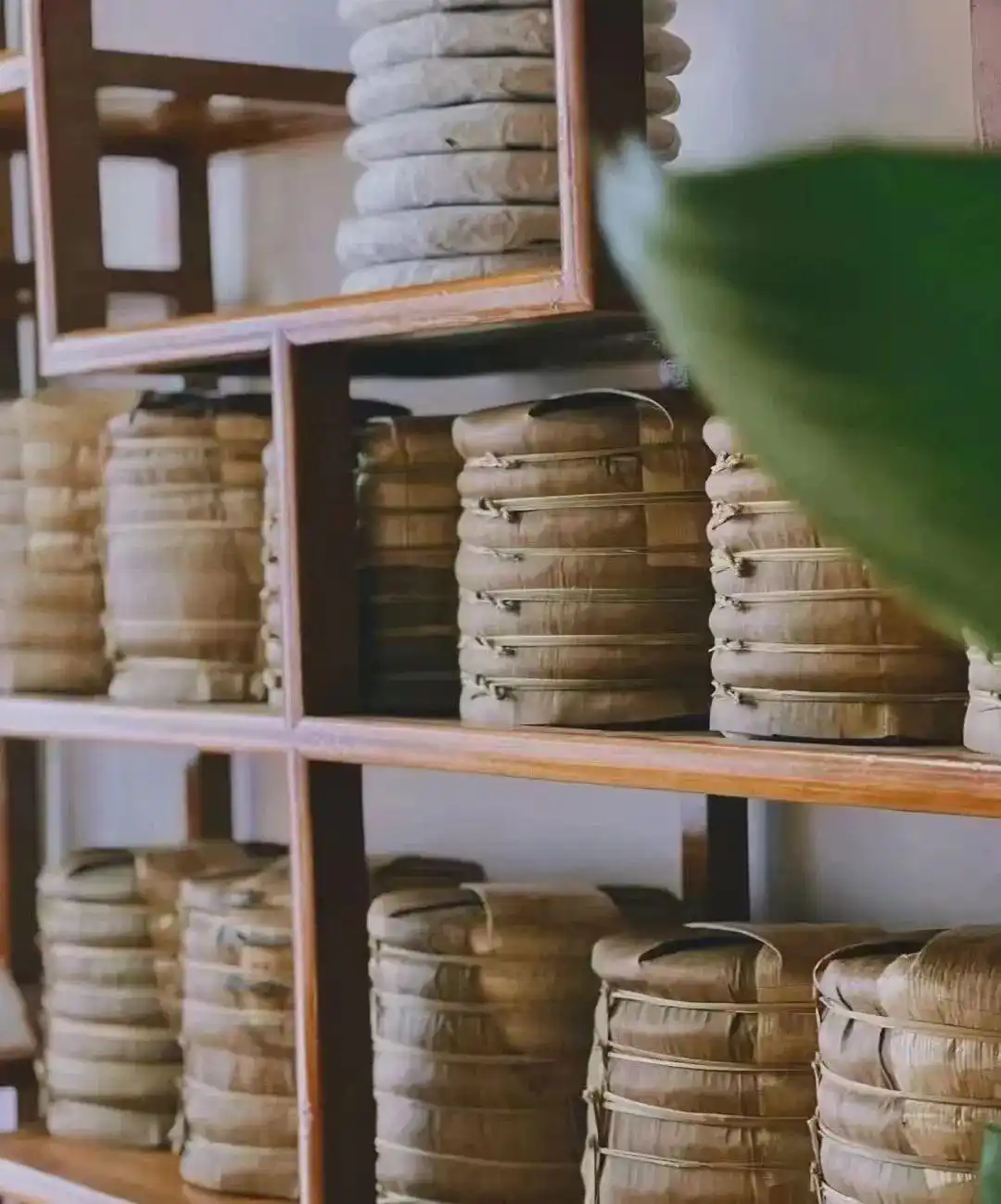
Suitable for storing tea in dry places
Third, do you have suitable conditions for storing tea?
Storing tea is not that simple. You need to control temperature and humidity, protect from light, avoid odors, and check regularly—all require effort. If you live in a damp ground-floor house or don't have a separate space to store tea, the risk of storage failure is high. If it goes bad, it's better not to store at all.
Then Let's Do the Math: The Cost of Storing Tea Is More Than Just Money
Many people think storing tea is just buying it and leaving it alone, with no cost. But that's not how you calculate it.
Opportunity cost of capital. If you spend 10,000 yuan on a batch of tea, that money is "tied up" in the tea. If you store it for five years, that money can't be used for anything else during those five years. At an annual interest rate of 3%, that's over 1,000 yuan in "hidden loss" over five years.
Storage costs. If you store tea seriously, you need dedicated space and equipment (like hygrometers, tea cabinets), and you might even need to rent a professional tea warehouse. All of this costs money.
Risk of loss. Storing tea carries risks—if it gets damp, absorbs odors, or gets insects, the batch is ruined. Search online for "stored tea mold" and you'll see various cautionary tales.
Time cost. Storing tea isn't just leaving it and forgetting it. You need to check regularly, turn the tea, and pay attention to weather changes. Although you don't need to tend to it daily, it's definitely not a one-time effort after purchase.
So the Question Is: Is Storing Tea Worth It?
Having said all these costs, it seems storing tea is not cost-effective. But Lao Sen will tell you the truth: For truly good forest tea, storing is still worth it.
Why? Because the value of aging is real.
A good forest tea may only show 60-70% of its potential when new. After five or ten years of aging, the aroma will shift from "flashy" to "calm," the liquor will go from "angular" to "round and full," and the throat feel will deepen. This transformation is a taste of time that money can't buy.
Moreover, the joy of storing tea itself is a value—watching your tea change year by year brings anticipation and satisfaction that you can't experience by directly buying aged tea.
Storing Tea or Buying Aged Tea? Each Has Its Merits
Finally, here's a guide for your choice:
| Situation | Suggestion |
|---|---|
| You like the freshness of new tea | Buy new tea, drink it fresh, no need to store |
| You have budget and want to experience the mellow taste of aged tea | Directly buy reliable aged tea, saving effort |
| You enjoy the process of storing tea | Buy good new tea, store patiently, and wait slowly |
| You want long-term self-drinking and value for money | Buy quality new tea and store it yourself; it's the most cost-effective |
| You lack suitable storage conditions | Don't store; buy ready-made aged tea |
| You prefer stability and don't like hassle | Buy aged tea, avoiding worry |
Lao Sen's Final Honest Words
There is no standard answer to storing tea. Some people enjoy the process; others find it troublesome. Both are fine; there's no superiority.
My suggestion is: If you're new to forest tea, don't rush to stockpile and store large quantities. First, buy a little, taste it, confirm you like the flavor, and confirm you have the patience to wait for it to change slowly. Once you have experience, then decide whether to store more.
The greatest value of storing tea is not how much it's worth later, but the time it spends with you. You'll naturally understand this truth after you've stored a batch and tasted the aged tea you've personally nurtured.

Paragraph comments 0 · moderated
Comments 0 · moderated