
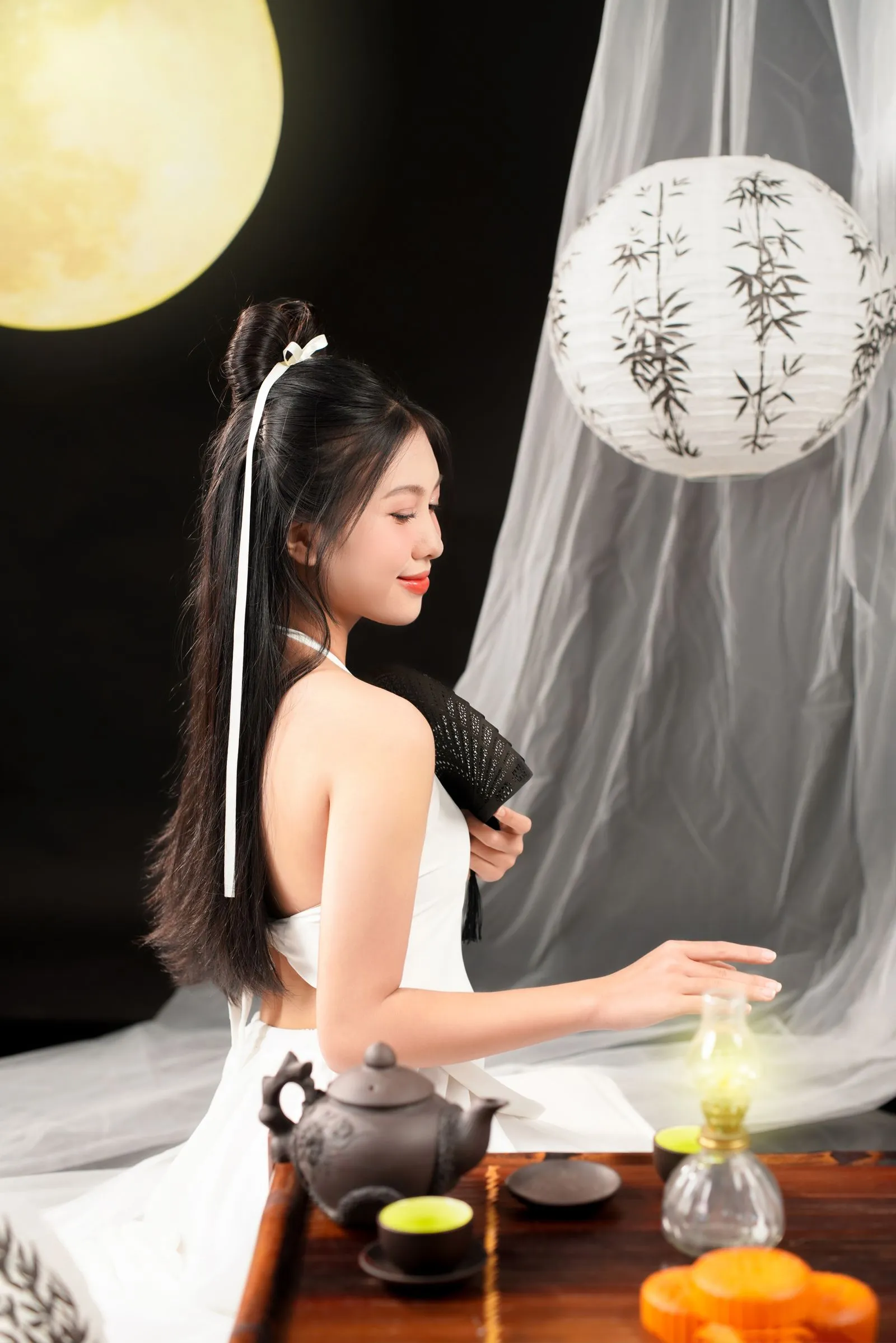
Tea Friend Asks: Why Must the First Infusion Be Discarded?
A common action at the tea table: pour the first infusion, swirl it, and pour it out with a splash—this is called "washing tea." A tea friend asked: Can the first infusion actually be drunk? If you don't discard it, does that mean you're not being particular?
I say, don't rush to follow this action blindly—you need to first understand what exactly is being discarded in this infusion.
Washing Tea Isn't About Washing Away Dirt, It's About "Awakening"
In the early days, processing was rough, and there was a lot of dust, so the first infusion did have a rinsing purpose. Now, with clean processing, properly made tea no longer has dust issues. What people now call "washing tea" actually washes two things: first, it allows tightly compressed cakes and tuocha to loosen when they meet water—this is called "moistening"; second, it lets aged tea awaken, bringing out the stale and musty odors—this is called "awakening."
Once you understand this, you'll see: washing tea isn't about washing the tea; it's about preparing the tea.
Which Teas Deserve a Rinse
Aged teas, cake teas, and tuocha—these tightly compressed teas deserve a rinse. In the first infusion, the tea is still tight, and the flavors can't fully emerge, so discarding it isn't a loss; instead, it allows the second infusion to truly shine. For aged teas stored for many years, the first infusion often carries a storage odor; rinsing once and letting that odor dissipate means what you drink afterward is clean.
Coarse, mature leaves and brick teas aged for years also benefit from extra rinsing—they're sturdy and won't mind losing this one infusion.
Which Teas Shouldn't Waste the First Infusion
Conversely, delicate new teas and early spring buds—never discard the first infusion. The most precious qualities of such teas—that fresh, lively aroma and the sweet, delicate taste in the soup—are all in the first infusion. Discarding it is like throwing away the most tender bite of a dish. Besides, they're perfectly clean and don't need "washing" at all.
My own approach is: for tender new teas, drink the first infusion directly; for aged teas and cake teas, do a quick rinse with a fast pour and fast decant; for everyday teas, it depends on mood—rinse if you like, and no one will fault you if you don't.
Conclusion: Look at the Tea, Not the Rules
In the end, there's no standard answer to "should the first infusion be discarded." Rules are rigid, but tea is alive—whether the first infusion of the tea in your hand is worth keeping depends on whether it's aged or tender, clean or not.
Remember this: Tea is meant to be drunk, and the first infusion is also bought with your money—don't let a convenient rule make you pour out good tea. Next time you brew, ask yourself: Does this tea really need "washing"?

Paragraph comments 0 · moderated
Comments 0 · moderated