
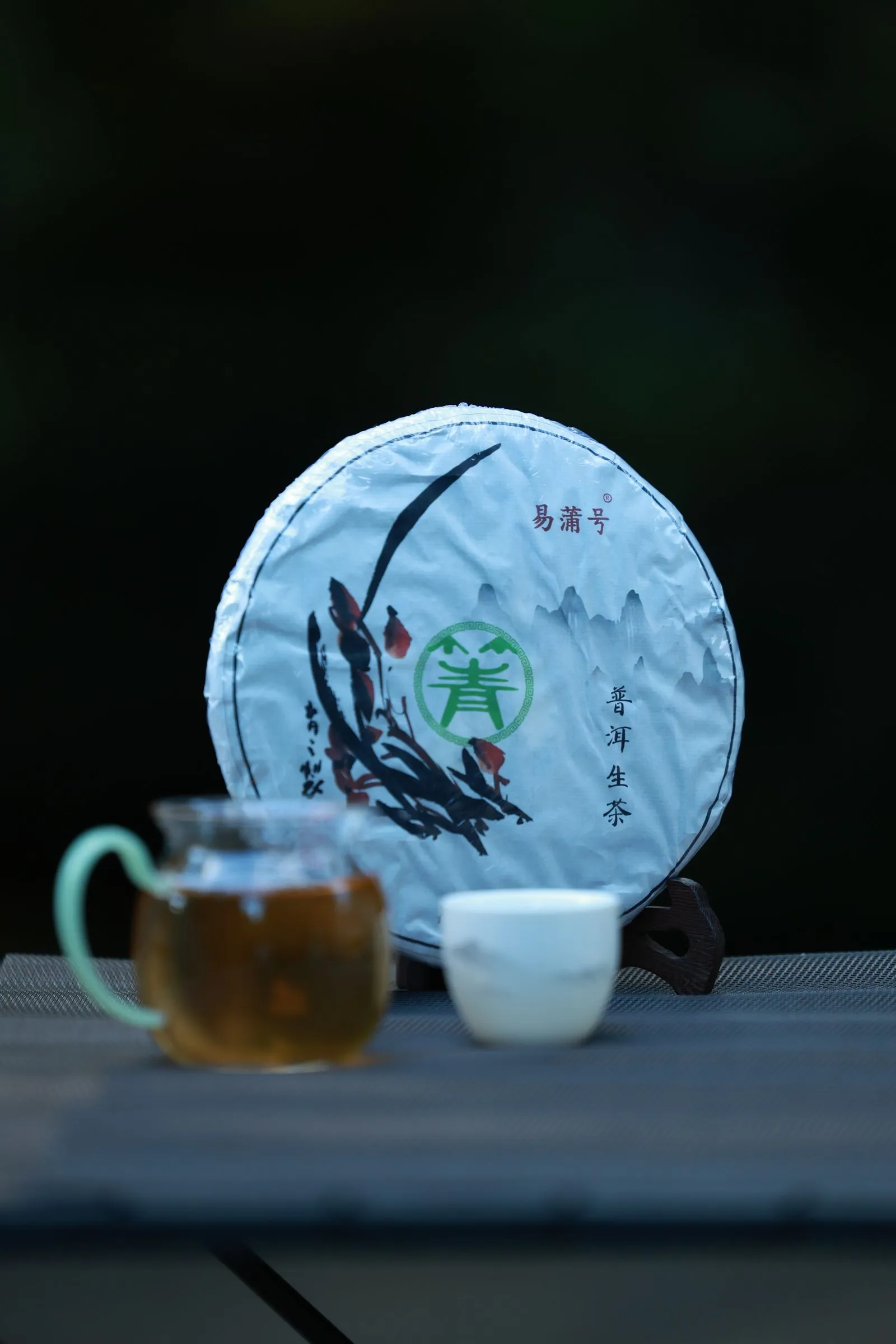
Tea Friend Asks: If You Don't Buy Pure Material, Are You an Outsider?
Often, tea friends ask me half-doubtfully: Online, everyone says pure material is better; isn't blended tea just using broken leaves to fool people? I ask them back: How many blends have you tasted that you remember for a lifetime? They are stunned. Actually, on this mountain path, pure material and blended each have their own tricks; neither should look down on the other.
First, let's level the two terms. Pure material, broadly speaking, refers to a single mountain, a single village; for those who are more particular, it also refers to leaves picked from a single plot, in a single season. Blending is mixing leaves from different mountains, different years, and different grades in a certain proportion to make a batch of tea. One goes toward "purity," the other toward "combination," and what they aim for is exactly opposite.
The Good of Pure Material: Its Individuality
The greatest value of pure material is clean flavor and distinct character. Each mountain has its own taste: some are sweet and soft, some are strong and intense, some carry a wild, cool mountain air. Pure material presents this temperament to you as is; what you drink is the region itself. If you want to recognize mountains, train your palate, and understand what a certain mountain's taste is, pure material is the best textbook.
It also has another benefit: it can be compared and remembered. Even with pure material, if you taste this year's and next year's, or this plot's and that plot's side by side, you can clearly remember the differences. Your tongue is trained one sip at a time.
The shortcomings are also obvious: pure material follows the weather; if the year is good, it's good; if the year is bad, it's thin. When its character is single, drinking it every day can get monotonous. Individuality is its capital, but also its shortcoming.
The Craft of Blending: Stability
Blending is not low-grade. Combining the strengths of several leaves, covering weaknesses with strengths, and making aroma, thickness, and aftertaste harmonize is a craft that takes real skill. Selecting materials, trial blending, and fine-tuning often require many rounds of tasting before a version is finalized; there is no room for carelessness.
A good blend doesn't taste "pieced together," only steady and balanced—this batch and the next will match in flavor, not varying from year to year. The signature products of old brands passed down for decades are mostly based on blends; what they seek is not astonishment but the reliability of drinking it daily without getting tired.
For those who want to store tea, blending has a practical advantage: materials with a thick, balanced base are less likely to go astray during transformation, and they still hold up after several years.
Two Questions Often Asked Wrong
First, answer "Is blending using leftover leaves?" On the contrary, blending requires no less from the materials. Each mountain has its strengths and weaknesses; if the proportion is off by a little, the taste goes wrong. A truly careful blend needs several good leaves that complement each other, covering weaknesses and stacking strengths. Using scraps won't achieve balance; it will only produce a pot of mediocrity.
Then answer "Is pure material necessarily more expensive and more valuable?" Whether it's expensive depends on scarcity and fame; that's different from whether it tastes good. Famous mountain pure material is expensive for a reason; but there are also many unnamed pure materials that taste ordinary, yet their price is inflated by the word "pure material." As for value, in the end, it depends on the taste of that cup.
Don't Put Pure Material on a Pedestal
Putting pure material on a pedestal brings pitfalls. The mountain area is limited, pure material is limited, yet "pure material" on the market is always in ample supply year after year; who can tell the true from the false? Some people specifically use the term "pure material" to inflate prices, but the leaves don't even pass the ecological standards. If you only buy those two words, the money is wasted.
Blending also has its difficulties: if the materials are mixed and mediocre, the blend will only be mediocre; if the skill is insufficient, it can produce a "platter taste" where each component is separate. So both sides have masters, and both have those who just scrape by.
Therefore, judging quality never lies in "pure" or "blended," but in the ecology of the raw materials and the skill of tea making. Pure material with poor ecology is worse than a blend with good ecology; this is common sense on the tea mountain.
Choose This Way to Avoid Wasting Money
If you want to recognize mountain flavors, store for a few years to see changes, and have the budget, pure material is worth trying. As a daily drink, for stability, or for giving to friends who don't know much about tea, choosing a blend with a reliable recipe is more worry-free. Some people keep both: pure material to slowly learn the mountains, and blends for daily drinking.
First think clearly whether you want individuality or balance, then spend your money; that's much more stable than chasing the term "pure material."
Tea has no high or low; only whether you can appreciate it. Pure material is a solo by the mountain; blending is several mountains singing together. Both sound good; it depends on which you like to hear.

Paragraph comments 0 · moderated
Comments 0 · moderated