
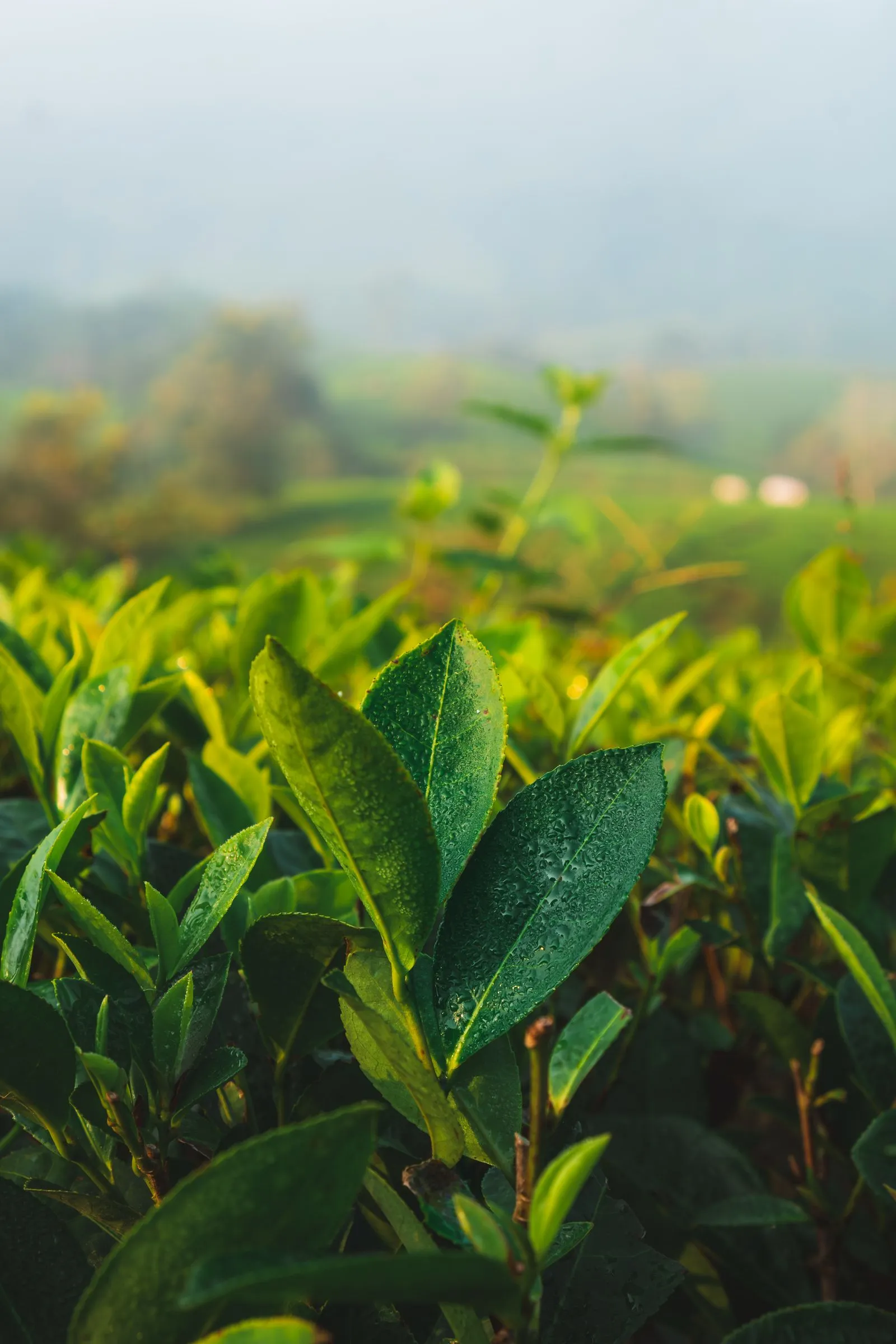
A Tea Friend Asks: Is Tea Covered in White Hairs Good Tea?
In tea markets, you often see this scene: a seller picks up a pinch of raw tea, shakes it against the light, showing hands full of white fluffy hairs, and says, "Look at these hairs, so abundant," and the onlookers' hearts itch. But does abundant hair mean the tea is good? Laosen needs to explain this in detail.
This Layer of 'Fuzz' Is a Mark of Tender Buds
Tea hairs are a layer of fine fuzz naturally growing on tender buds and leaves of tea plants. The younger the new shoots, the more and more intact the fuzz; as leaves age, the fuzz gradually thins and falls off. So old tea experts look at hairs first to judge tenderness—more hairs usually mean earlier picking, more tender, and more buds.
This layer of fuzz has other names: older folks casually call it "fuzz," and in jargon it's called tea hairs; if fresh leaves go through fermentation, the hairs oxidize and appear golden, then it's called golden hairs. Names change, but it's the same thing. It doesn't grow for nothing; it contains amino acids and other substances. When brewed into tea, it adds a bit of freshness and thickness; but it's thin and light, and in terms of weight, it can't support the whole cup's structure.
Abundant Hairs Can Indicate Three Things
First, tenderness, as mentioned, tender buds have more hairs. Second, variety: some tea plants naturally have dense hairs, like some large white tea varieties, whose new buds are white—that's inherited from their parents. Third, processing: rolling intensity and drying temperature affect hairs; heavy rolling causes hair loss, high heat makes hairs scorch yellow and dull, hurting appearance.
There's also a seasonal nuance: in the same tea garden, spring tea buds are sturdier and usually have more hairs than autumn tea, which is why hairs can serve as a "tenderness signal." So 'showing hairs' is a neutral term; it records the tenderness of raw material, the nature of the variety, and the maker's skill. Looking at it alone can't judge quality.
Abundant Hairs Don't Mean Much
The second bucket of cold water: Abundant hairs have no necessary relation to good ecology or old tree age. Terrace gardens with frequent pruning and ample water and fertilizer produce uniform buds, each batch covered in white hairs, very photogenic. In contrast, many ancient trees in old forests grow among mixed trees, with glossy, thick leaves and sparse bud hairs. If you score only by hair count, good material would be overlooked.
Some also like to link abundant hairs with "wild" or "handmade." Hair abundance has nothing to do with either: wildness depends on the forest; handmade depends on the process. As for those who specifically show you fragments of bud hairs that fall off during pressing, that proves nothing. Pretty is just pretty.
Old Tea Drinkers Often Ask: Can You Drink This Layer of Fuzz?
Tea friends often ask: There's a layer of fine fuzz floating in the tea soup—should I skim it off? That's tender hairs dispersing in water, perfectly normal. It's fine to drink; at most you feel a slight fuzziness in your mouth. If it bothers you, wait a few seconds before pouring the first infusion to let it settle. This fuzz isn't dirt; it's something only tender material has.
People also ask: Is tea with many hairs not very infusable? Infusability depends on internal substance, not directly on hair count. Some teas with many bud hairs are very fresh in the first few infusions but may lack staying power; some older leaves with fewer hairs are more infusable and storable. Using hairs to predict infusability is unreliable.
Another curiosity: loose tea clearly shows hairs, but after pressing into a cake, the hairs "disappear." They didn't fall off; they're pressed into the strands. When you pry it open and brew, the fuzz still floats in the soup. Sellers like to photograph loose tea precisely for that fluffy sheen.
Seeing "Covered in White Hairs"? Three Steps Before Ordering
First, don't be led by your eyes; bring the dry tea close and smell it. Material with many hairs often has a tender fragrance. If the aroma is stuffy or has a watery smell, don't buy it no matter how many hairs. Second, brew it and look at clarity and taste thickness. Whether it's smooth and leaves a lasting sweetness is more real than the fuzz on the strands. Third, brew to the tail infusions and see if it holds up. If the first few infusions are stunning but later ones collapse, the internal substance often can't support the appearance.
After these three steps, hair count no longer matters. One more side note: if a seller only talks about hairs, give them a second glance; if they're willing to talk about mountain origin, ecology, and processing, you can sit a while longer. Those who talk a lot don't necessarily have good tea; those who speak honestly usually have honest tea.
How Should You Really Look at Hairs?
Look at hairs within the context of the whole brew, not in isolation:
First, look at location. Hairs mostly gather on buds and one-bud-one-leaf. If the strands are uneven in thickness but the hairs are uniformly abundant, that's suspicious. Second, look at the soup. When tender hairs enter water, the tea soup has a fine "hair haze," which is a normal halo, not the same as murkiness from poor processing. Third, look at the infused leaves and taste. Ultimately, what matters is the activity of the leaves, the thickness of the soup, and that returning sweetness, not the fuzz on the strands.
Whether hairs are many or few can be a reference signal; using it as the only standard makes it easy to be led by a pretty appearance. Choosing tea is like judging people: a good first impression doesn't count; you know the depth only after spending time.

Paragraph comments 0 · moderated
Comments 0 · moderated