
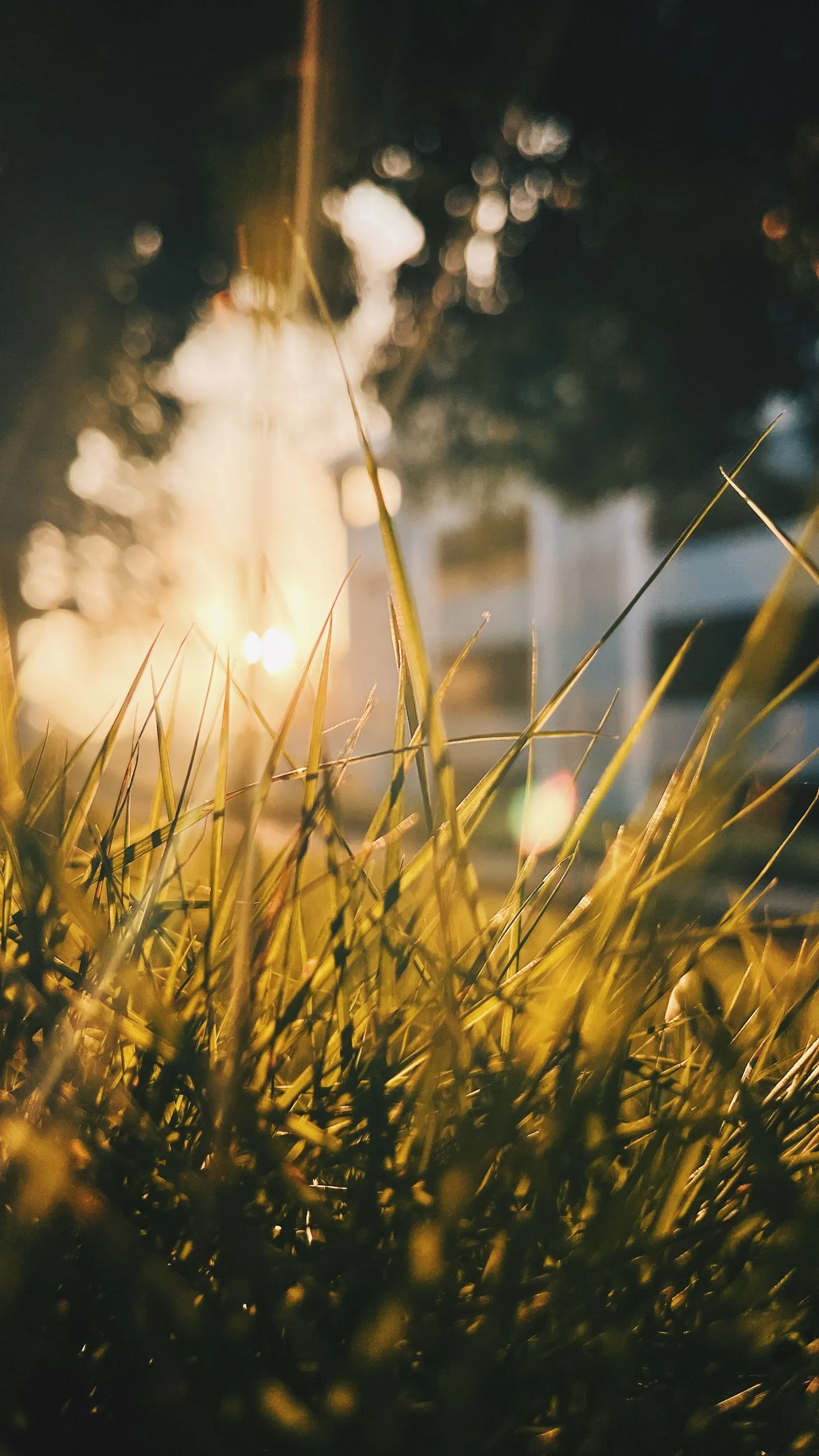
The Cold in the Mountains Is Wet
Two days before White Dew, in the evening, I went into the mountains. I had no other urgent business; I just wanted to go up before autumn fully spread out—to see how dew forms, how fog disperses, and whether autumn in the woods really does come earlier than in the city.
As soon as I entered the mountains, I felt the difference. In the city, the evening was still dry and warm, but in the mountains it was already cool, cool like a wet towel pressed against the face, carrying the smell of grass and earth. A villager from the same trip said, "Around White Dew, when the night air turns cool, the dew becomes heavy. Wait and see tomorrow morning."
The Two Hours Before Dawn Are the Most Precious
The next day, before dawn, the sky was still pitch black when I was awakened by noises downstairs. An old tea farmer had already turned on his headlamp and was walking up the slope with a tea basket on his back. I asked why he was in such a hurry. He said, "Once the fog disperses and the sun shines, the dew dries up, and the leaves soften, losing their vitality. To pick, you must do it before the fog lifts."
I crouched by the ridge and watched him pick. The fog was still thick, a white blanket covering the tea grove. The tips of the leaves were covered with a layer of water droplets that rolled off at the touch. He deliberately picked at this time, saying the leaves were crispiest and the aroma strongest. If you wait until the sun is higher, it won't taste the same. Different families have different sayings, but watching him pick with such certainty, I believed him eighty percent.
The Chirping of Insects Counts the Days for Me
The sun climbed up, and the fog receded from the edge of the woods little by little, like someone slowly lifting a white quilt. After the dew dried, the mountains fell silent for a short while, then the insect chirping started again—but it wasn't the same tune as summer; it was slower, sparser, and lazier.
The chill also crept into my bones in waves. I had gone up the mountain in a short-sleeved shirt, but by afternoon I regretted it and had to borrow a jacket to endure. Autumn in the mountains is like this: it doesn't make a fuss, but first reminds you with dew, insect chirping, and the coolness of morning and evening. By the time city folks take out their autumn clothes, autumn in the mountains is already deep.
Bend Down to See Autumn
At dusk, I went into the mountains again and met the old tea farmer from noon returning from work, a basket of green leaves on his back. He leaned by the door to catch his breath. I asked if the tea season was about to end. He smiled and said, "Once White Dew passes, when the night air turns cool, the leaves change their expression, and the aroma retreats inward. We tea pickers just follow this breath."
He spoke plainly, but I listened for a long time. The sun sank behind the ridge, the woods darkened, and the fog slowly gathered again. It turns out that the ten days by which autumn in the mountains arrives earlier than in the city are hidden in places you only see when you bend down: the dew hanging on leaf tips, the fog that disperses more and more slowly, and the unhurried tone in the tea farmer's voice when he says, "It's time to harvest."

Paragraph comments 0 · moderated
Comments 0 · moderated