
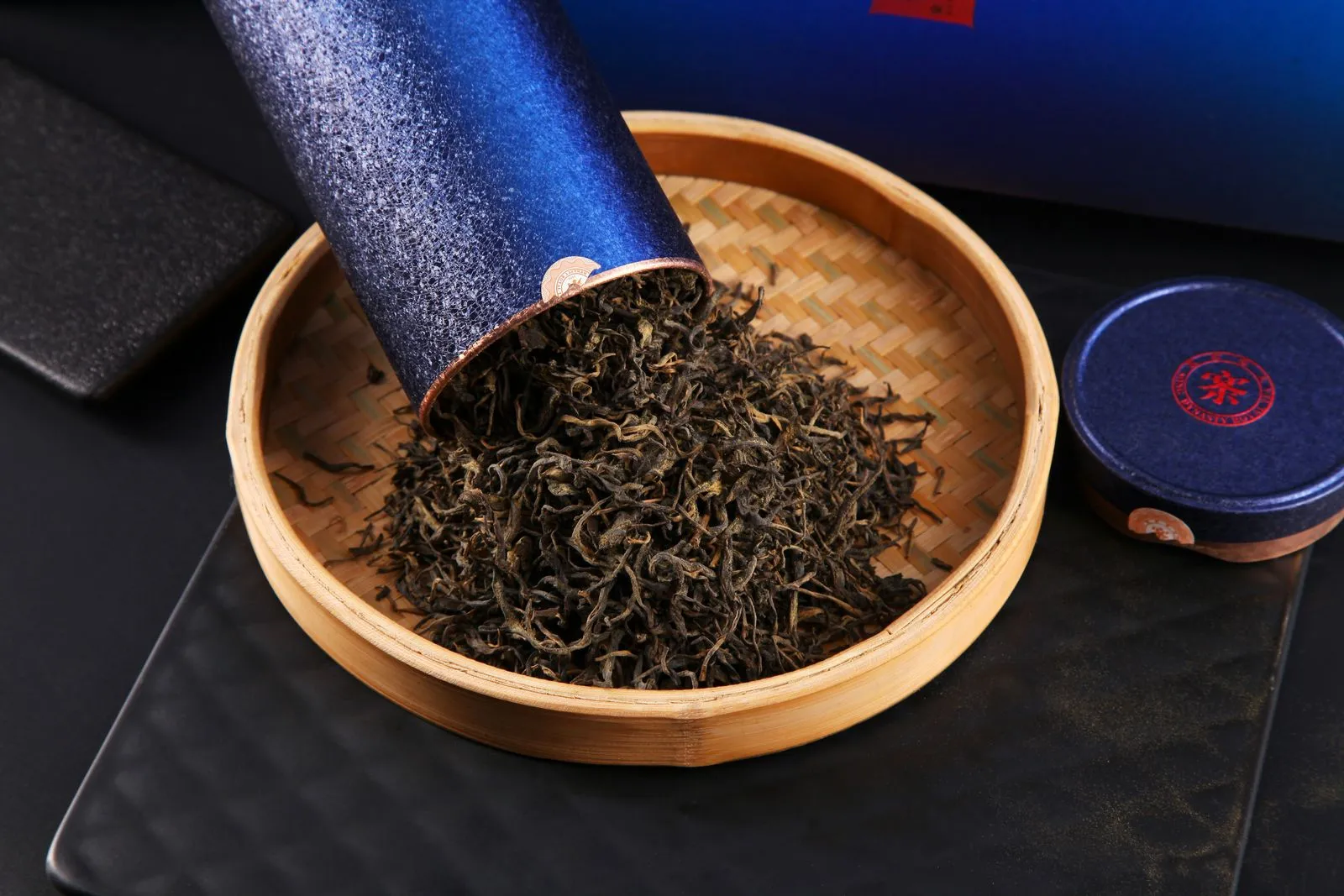
Forest tea in online stores: pitfalls often lie in three areas
Buying tea online carries an extra risk compared to buying in a tea market: you can't see or touch it, relying entirely on the seller's photos and words. Over the years, the pitfalls I've seen repeatedly boil down to three things: product not matching description, false origin claims, and unreasonable prices. Don't panic; all can be prevented. The three tables below are distilled from my twenty years of trekking through the mountains. Check them before ordering, and they'll block most of the tricks.
Table 1: Identification - Check three things upon arrival
Look at the dry leaves. Forest tea is mostly picked as one bud with two leaves, with robust, plump leaves that show fine white hairs (hao) on the surface, and few broken pieces. If there are many fragments and the leaves are finely broken and uniform as if machine-cut, it's likely plantation tea or blended scraps.
Smell the aroma. When you open the bag, there should be a clean, upright wild-mountain or floral-fruity fragrance, pure and not stuffy. If you smell a pungent "flavoring" scent, or a musty or sour smell, return it immediately.
Check the infused leaves. After brewing, forest tea leaves are supple and elastic, with clear main veins, and the leaf sizes naturally vary; plantation tea blends often have thinner leaves with poor resilience, crumbling when pinched. You don't need to be an expert; with a few comparisons, you'll get the feel.
Table 2: Origin - Don't be led by the words "wild" and "ancient tree"
The most common origin fraud is passing off plantation tea as "wild ancient tree." Just remember three questions:
First, if the price doesn't match, be suspicious. The raw material cost of genuine ancient trees is what it is; "ancient tree" tea sold cheaper than ordinary tea is basically a story.
Second, see if the seller dares to be specific. Those who dare to name the mountain, village, altitude, and basis for tree age usually have confidence; those who only shout "deep mountain ancient tree" or "limited quantity" without giving coordinates should be avoided.
Third, check for certifications and traceability. Legitimate products carry geographical indications, test reports, or verifiable origin information; if there's nothing and it's all talk, be cautious.
Table 3: Price - What to expect at each price point
Here's a rough reference (for loose leaf tea, prices fluctuate with the year):
- Tens of yuan per jin: Everyday plantation tea or ordinary ecological tea. Fine for a casual drink, but don't expect "forest ancient tree."
- One to two hundred yuan per jin: The level of regular arbor/small-tree forest tea; a reasonable range for most daily drinking.
- Several hundred yuan per jin: Medium trees with good ecology or some ancient tree blends; you can taste decent wild-mountain character.
- Over a thousand yuan per jin: Only then can you talk about true ancient trees or famous mountains. At this point, pay more attention to the person and the product, not just the brand.
"Nine-nine free shipping Laobanzhang"? That doesn't even cover shipping; you're buying the wrapper.
Tea is something you ingest. Caution is not stinginess; it's responsibility to yourself. If unsure, ask. One more question saves you the cost of a cake. The forest online is deep, but I've drawn the trail markers for you—walk slowly, and don't be afraid.
Paragraph comments 0 · moderated
Comments 0 · moderated