
The mountain calendar is more accurate than the wall calendar
Half a month before frost, I went into the mountains again. City folks are just pulling out their autumn clothes, but mountain people are already busy with their feet off the ground—rushing to harvest, preparing firewood, clearing gardens, repairing roads, one after another. An elder sister in the village saw me and said, "You came at the right time. A few days later, once the frost hits, people will be idle."
Rush to harvest the last batch of autumn tea before frost
The autumn tea on the mountain is picked from after the start of autumn until just before frost. Once frost falls, the leaves freeze, and that year's tea is done. So these days, tea farmers go up the mountain before dawn and come down only after sunset, carrying basket after basket on their backs.
I met a tea farmer on the slope, bending over to pinch tea shoots into his basket. I asked him why he was in such a hurry when there wasn't much autumn tea left. He said, "A tree's strength for a year—whatever can be harvested must be brought back. We can't let the frost ruin it." By evening, back in the village, every household had fresh leaves spread out in the yard, with the elderly and children all pitching in to pick out stems.
Firewood must be prepared, and gardens must be clean
Around frost, every household is preparing winter firewood. In the mountains, boiling water, cooking, and heating all rely on firewood. Taking advantage of the dry weather, they split the wood and stack it under the eaves, so the winter is secure. I passed by several homes, and under the eaves were neat stacks of firewood, standing like soldiers in formation.
The tea gardens were also busy. After the autumn tea harvest, people go into the gardens to clear them—pulling out weeds, removing diseased leaves and dead branches, and gathering them at the edge of the field to burn into ash. They call it clearing the garden, but it's really about washing the tea trees' faces before they rest for the winter, so they have the strength to sprout in spring.
Road repair workers rush before the dry season
The rainy season had carved several gullies into the dirt road into the mountains. As soon as the sky cleared, the village sent people to repair it—clearing the collapsed soil, filling in the washed-out roadbed, and getting the road in shape before the dry season fully arrives. Otherwise, the winter tea leaving the mountain and the spring tea coming in next year would both be stuck on the road.
I asked the leading man if the road wasn't urgent, couldn't they wait until spring to fix it. He said, "Roads are like this: delay a day, and they rot an inch. We mountain people live by the sky. When the sky gives a few clear days, we rush to finish the work in those days. We can't fight the sky; we can only keep pace with it."
Living by the sky means scheduling life after the solar terms
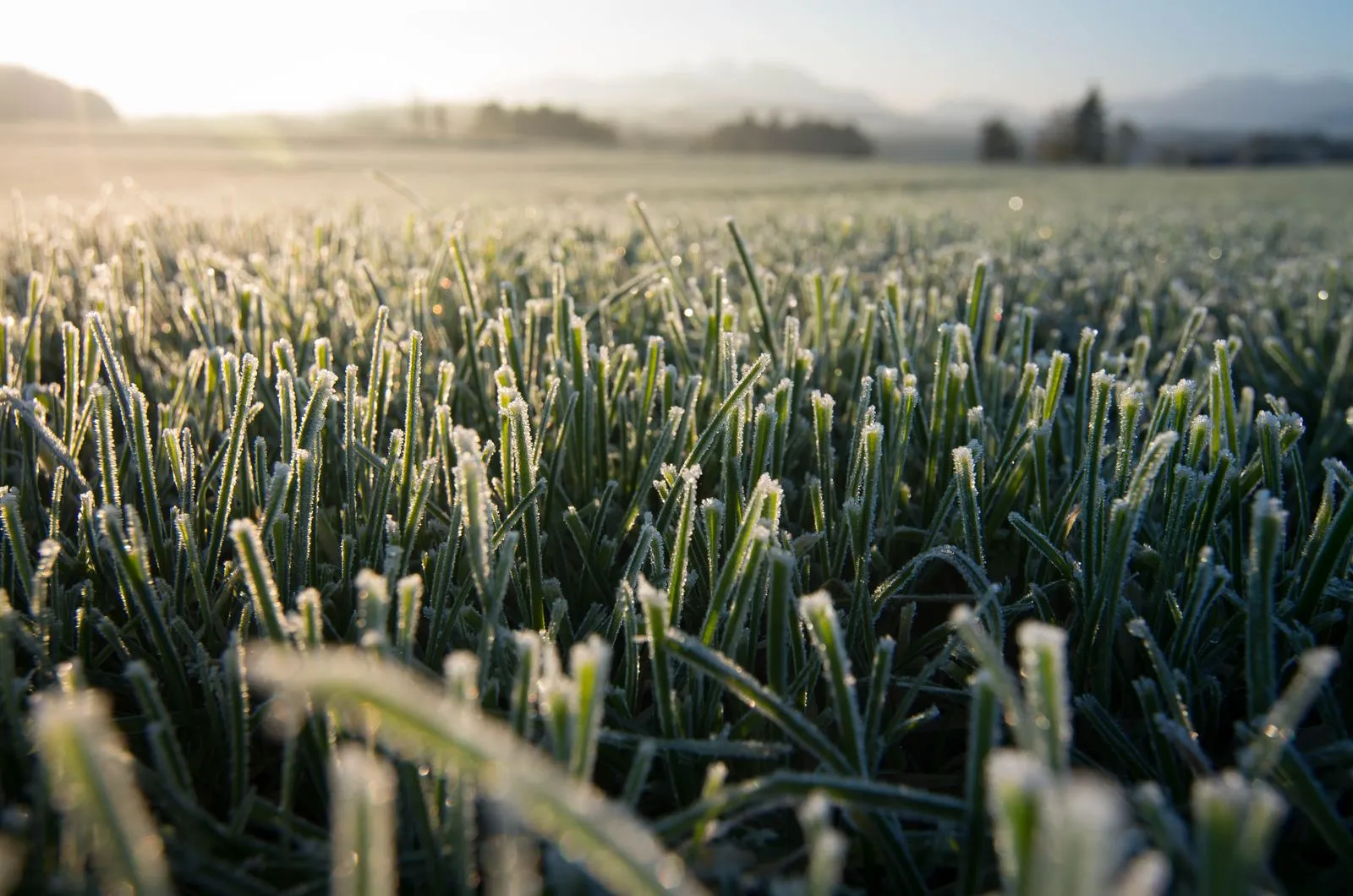
On the morning of frost, I stood at the village entrance watching the morning mist. The basin below was still bright, but the forest on the mountain was already covered in a thin layer of white. The tea pickers, wood splitters, and road repairers were all busy in their own places, no one urging anyone, no one idle.
In all my years in the mountains, I've become more and more convinced of one thing: city people schedule their lives in their own hands, but mountain people schedule their lives after the solar terms. The sky can change at any moment, so you do what needs to be done while the weather is good—this unhurried busyness is the rule mountain people have worked out with the sky.

Paragraph comments 0 · moderated
Comments 0 · moderated